
The Best Flowers for a Cottage Garden
There is something magical about a cottage garden overflowing borders, flowers spilling onto pathways, buzzing pollinators, and armfuls of blooms ready for the vase. It's a garden style that feels both effortless and abundant.
At PepperHarrow, cottage gardens hold a special place in our hearts. While the look may seem casual, the most beautiful cottage gardens are thoughtfully planted with flowers that provide fragrance, texture, and blooms throughout the entire growing season.
If you're dreaming of creating your own cottage garden, here are some of our favorite flowers to include and the ones we grow right here in the fields of Madison County.
What Makes a Cottage Garden?
Traditional cottage gardens combine ornamental flowers, herbs, and flowering shrubs in a relaxed, layered design. Rather than neat rows and formal plantings, cottage gardens embrace abundance. Plants intermingle, bloom times overlap, and every corner offers something beautiful to discover.
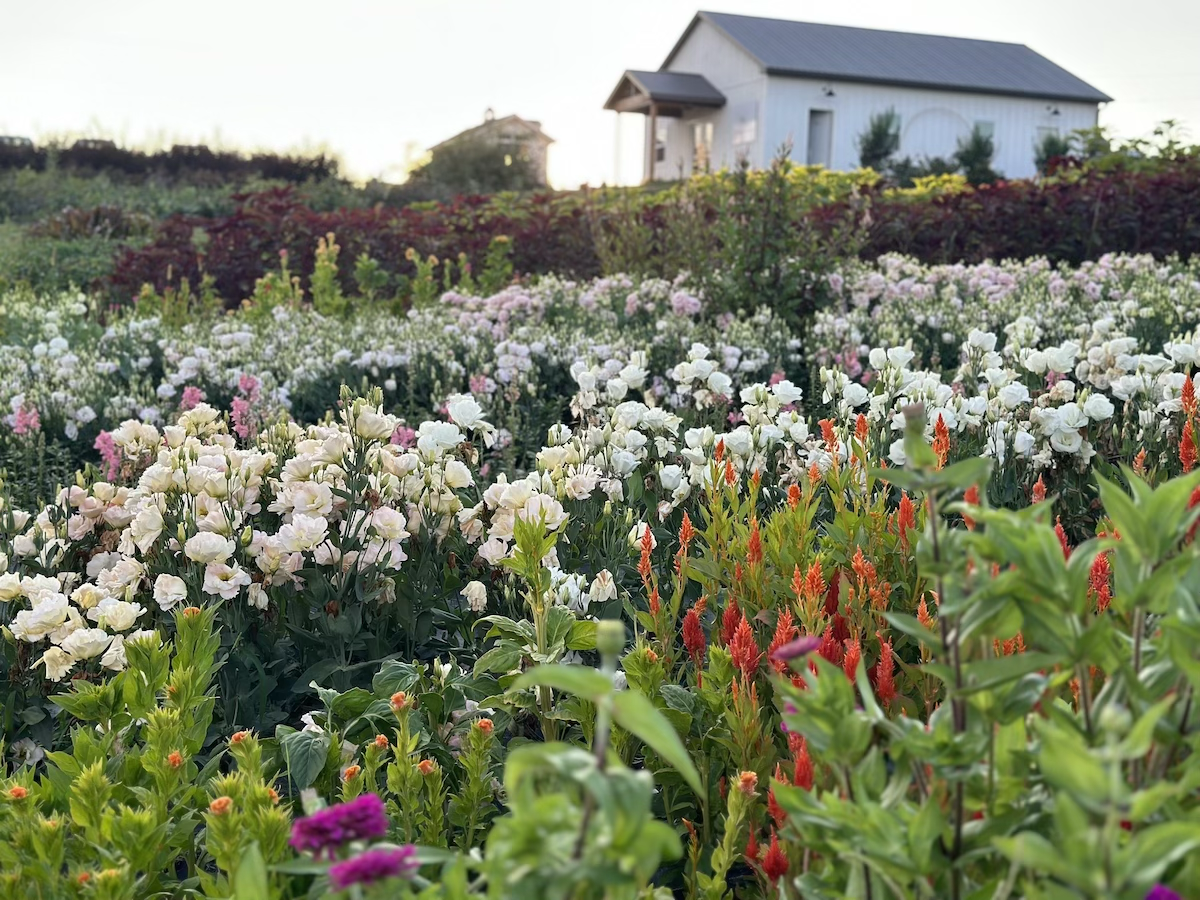
The cottage garden beds at PepperHarrow in full midsummer bloom.
Star of the Late Summer Garden
Dahlias
Few flowers provide the drama and volume of dahlias. From dinner-plate blooms to delicate ball varieties, dahlias bring months of flowers from midsummer until the first frost and they produce armloads of blooms for bouquets along the way.
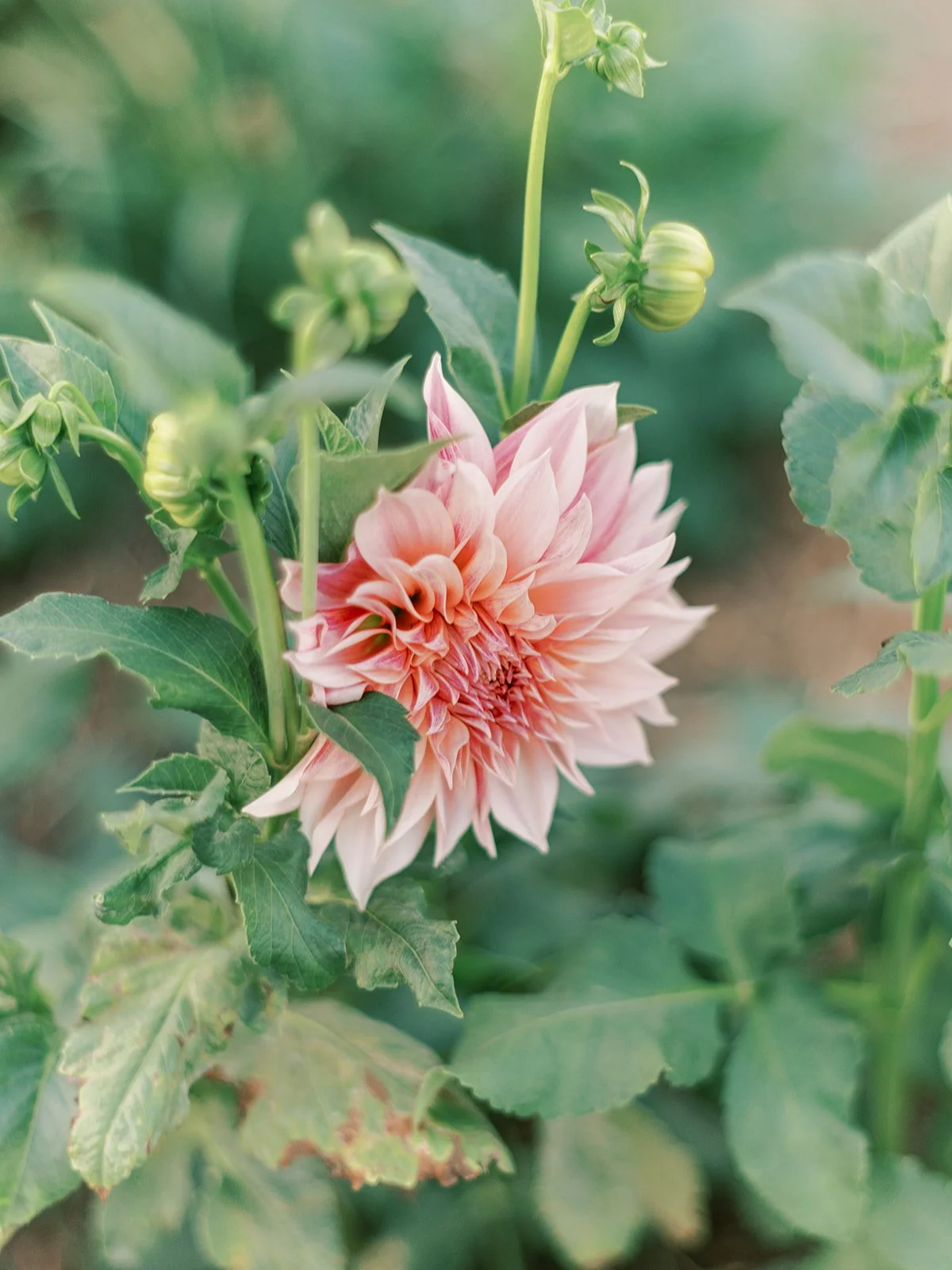
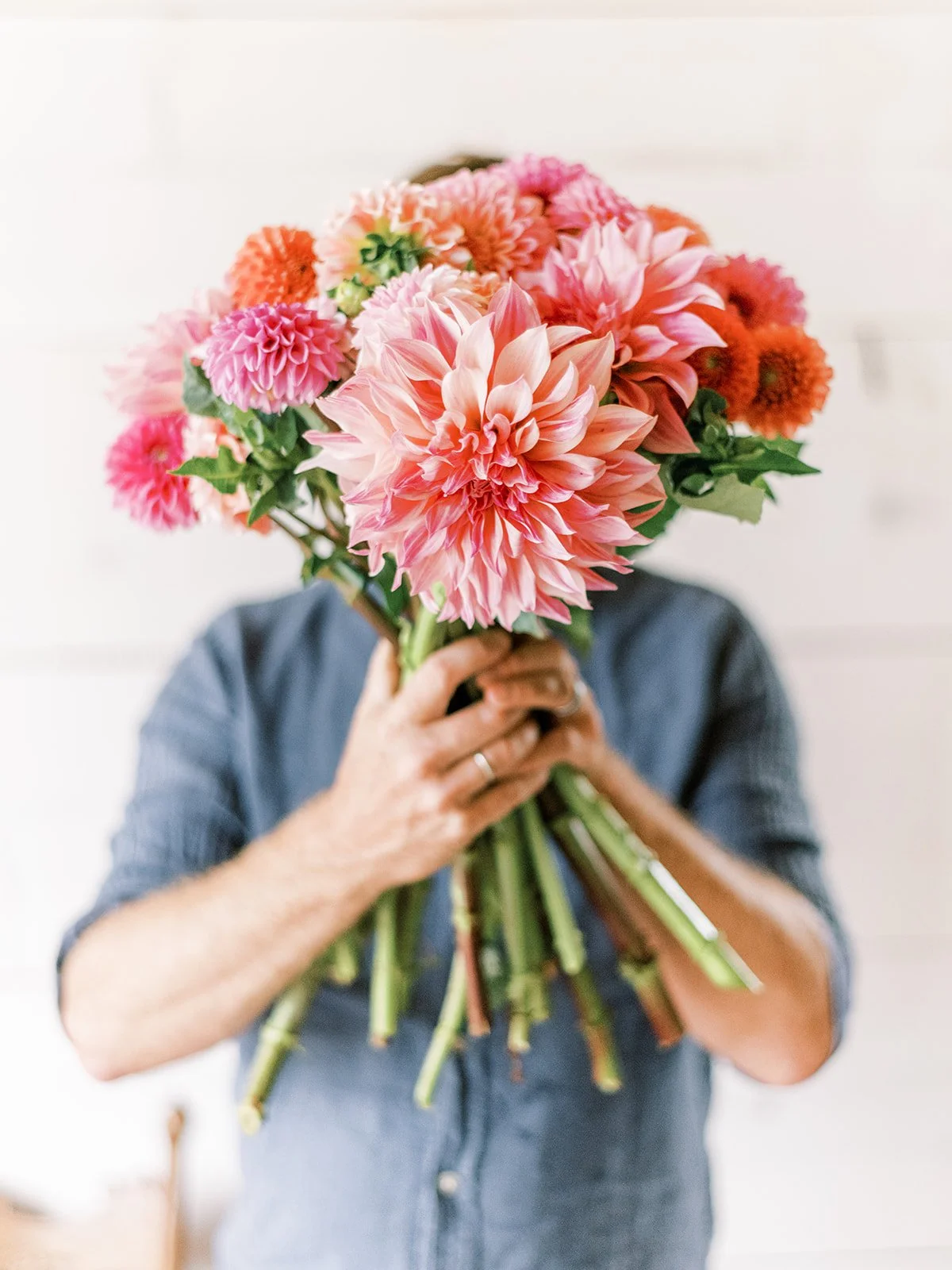
Left: Our beloved Café au Lait dahlia. Right: A late-summer armful from the dahlia field.
Fragrance, Beauty & Pollinator Power
Lavender
No cottage garden feels complete without lavender and it's at the heart of everything we do at PepperHarrow. With more than 18,000 plants across 13 acres, we've seen firsthand how lavender anchors a landscape while softening every edge around it.
Plant lavender along pathways where visitors can brush against the blooms and carry that signature scent with them. It pairs beautifully with roses, cosmos, and any soft-toned perennial.

Our lavender fields in bloom the heart of PepperHarrow each June.
Effortless Beauty
Cosmos
Cosmos embody everything we love about cottage gardens. Their delicate, feathery foliage and dancing blooms create movement and softness throughout the landscape. They're incredibly easy to grow from seed and bloom generously for months, drawing butterflies all season long.
Vertical Interest & Early Color
Snapdragons
Snapdragons provide the upright spires that help create the layered look cottage gardens are known for. Blooming in a wide range of shades, they fill the gap between spring and summer flowers and make outstanding bouquet additions one of our most-requested stems at the Des Moines Farmers Market.
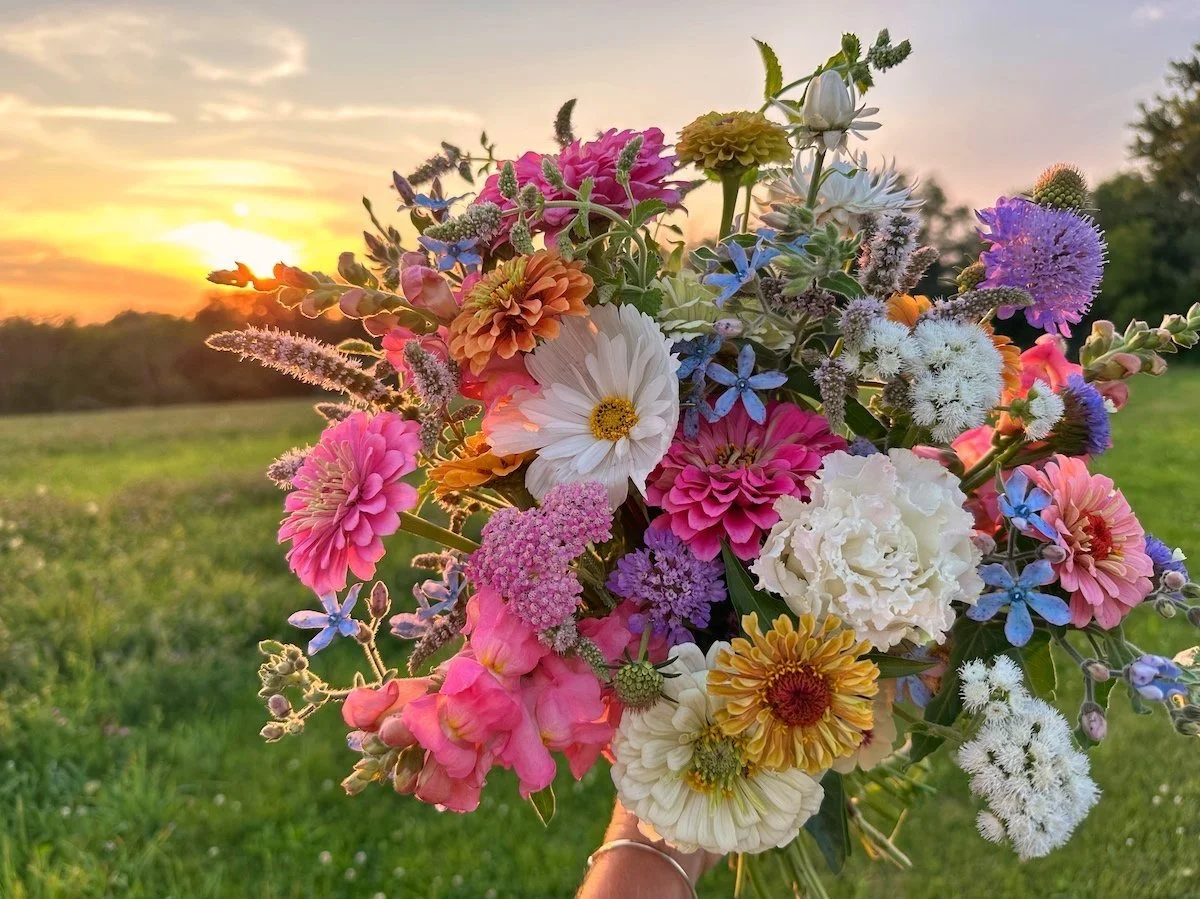
A midsummer bouquet from the PepperHarrow cutting gardens.
Classic Cottage Elegance
Delphinium
Few flowers capture the traditional cottage garden aesthetic quite like delphinium. Tall spires of blue, lavender, pink, or white create dramatic focal points and pair beautifully with roses and peonies. They thrive in the cooler temperatures of an Iowa spring and bring a touch of old-world charm to the garden.
A Springtime Showstopper
Peonies
Peonies are beloved for their lush, full blooms and incredible fragrance. Though their season is short, few flowers make a bigger impact in late spring. Their large blossoms pair beautifully with other cottage garden favorites, and they produce some of the most stunning cut flowers you can bring into the home.
Colorful & Productive
Zinnias
If you're looking for flowers that bloom all summer long, zinnias deserve a prominent spot in your garden. They thrive in Iowa's hot summers and reward gardeners with continuous color until frost. We grow Queen Series zinnias here at PepperHarrow for their exceptional stem length and bloom size.

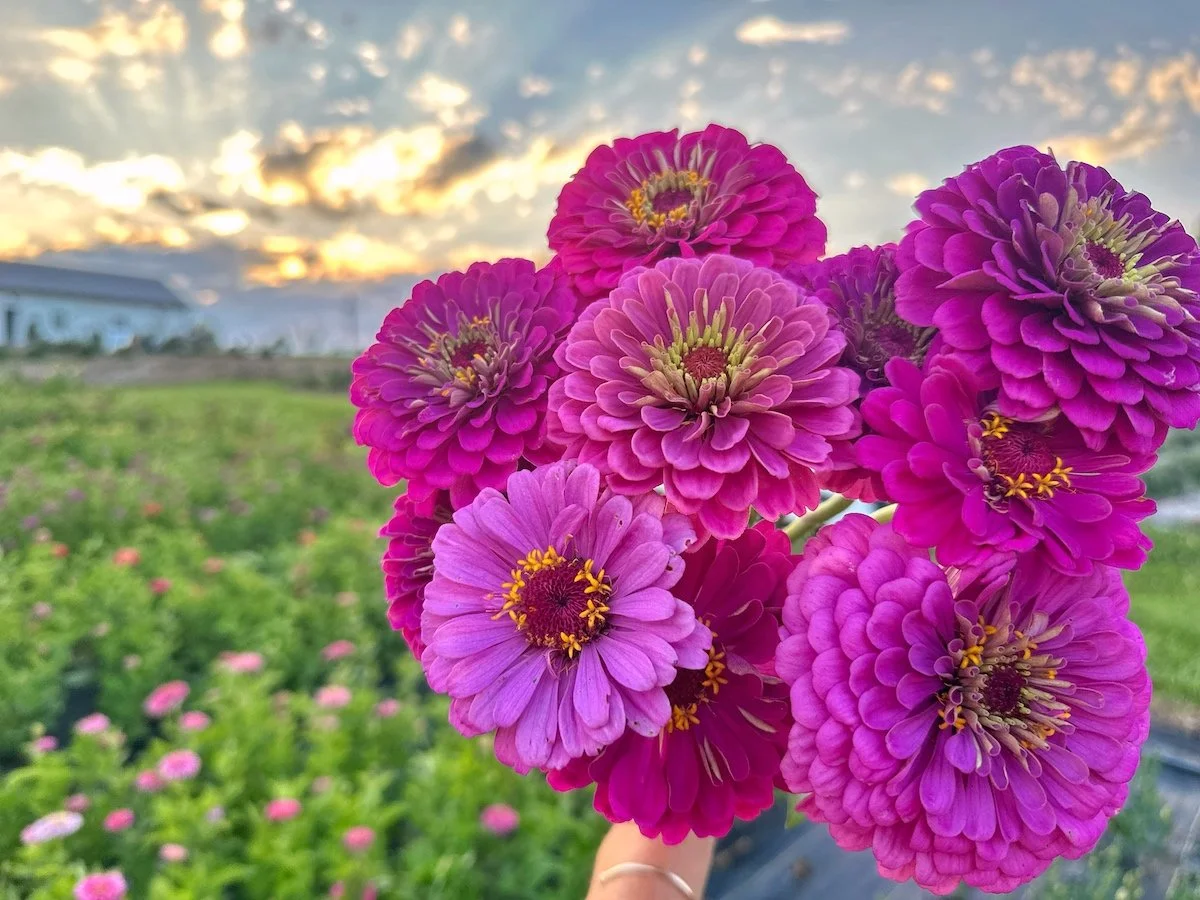
Our Queen Series zinnias and a Madison County sunset that's hard to beat.
Planning for Blooms All Season
The secret to a truly great cottage garden is succession layering flowers with different bloom periods so something beautiful is always happening. Here's how we think about the season at PepperHarrow:
- Peonies
- Sweet Peas
- Delphiniums
- Ranunculus
- Lavender
- Snapdragons
- Delphiniums
- Lisianthus
- Cosmos
- Zinnias
- Dahlias
- Sunflowers
- Dahlias
- Cosmos
- Zinnias
- Amaranth
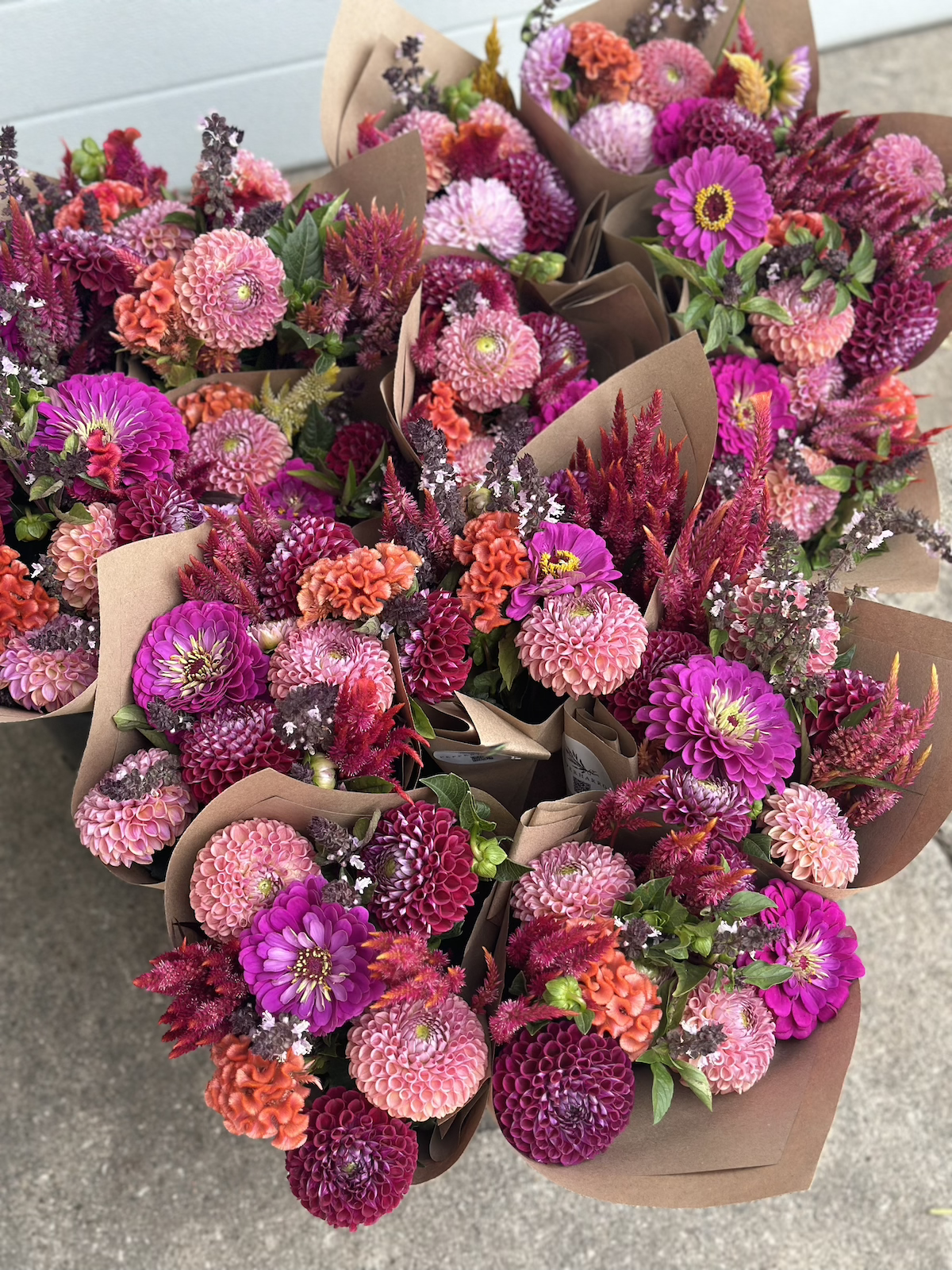
Fall harvest bouquets from the PepperHarrow fields dahlias, cosmos, and seasonal foliage.
Bringing the Cottage Garden Home
The best cottage gardens aren't perfectly manicured. They're alive with pollinators, overflowing with blooms, and filled with flowers that invite you to slow down and enjoy the season.
Whether you're planting a small border or transforming an entire landscape, incorporating flowers like dahlias, lavender, cosmos, snapdragons, peonies, and zinnias will help you create the romantic, abundant garden you've always imagined. By choosing for succession spring bulbs into summer annuals into fall dahlias your garden stays vibrant from the last frost all the way to the first.
Happy gardening from all of us at PepperHarrow nestled on the bluffs above the Middle River Valley in Winterset, Iowa.
Visit Us at the Farm
Come experience the cottage garden in person. Join us for a workshop, pick your own bouquet, or browse our seasonal lavender products we'd love to see you.
Explore Events & Classes
The Best Flowers for Container Gardening
Container gardening is a great way to bring color and beauty to your outdoor space, even if you don't have a lot of room or soil to work with. But with so many different types of flowers to choose from, it can be overwhelming to decide which ones are the best for container gardening. Here are some easy tips for selecting the best flowers for your container garden!
Choose flowers that are suitable for your climate and growing conditions. Different types of flowers have different temperature and light requirements, so it's important to choose flowers that will thrive in your specific location.
Consider the size and growth habit of the flowers. Make sure to choose flowers that will fit in the size and shape of your containers, and that won't outgrow their space too quickly.
Choose flowers that have a long blooming season. This will help to keep your container garden looking vibrant and colorful for longer. Some good options include annuals, such as petunias or marigolds, or perennials, such as daisies or black-eyed susans.
Select flowers that are low maintenance. Container gardens can require a bit more attention than in-ground gardens, so it's important to choose flowers that are easy to care for. Some good options include succulents, herbs, and hardy annuals.
Don't be afraid to mix and match. One of the great things about container gardening is that you can get creative and mix and match different types of flowers to create a unique and beautiful display. Just make sure to choose flowers that have similar growing requirements.
We hope these are helpful to y’all when trying to find plants that work best in containers. Happy gardening!
XX Jenn + Adam
How to Grow Lupine From Seed: A Step-by-Step Guide
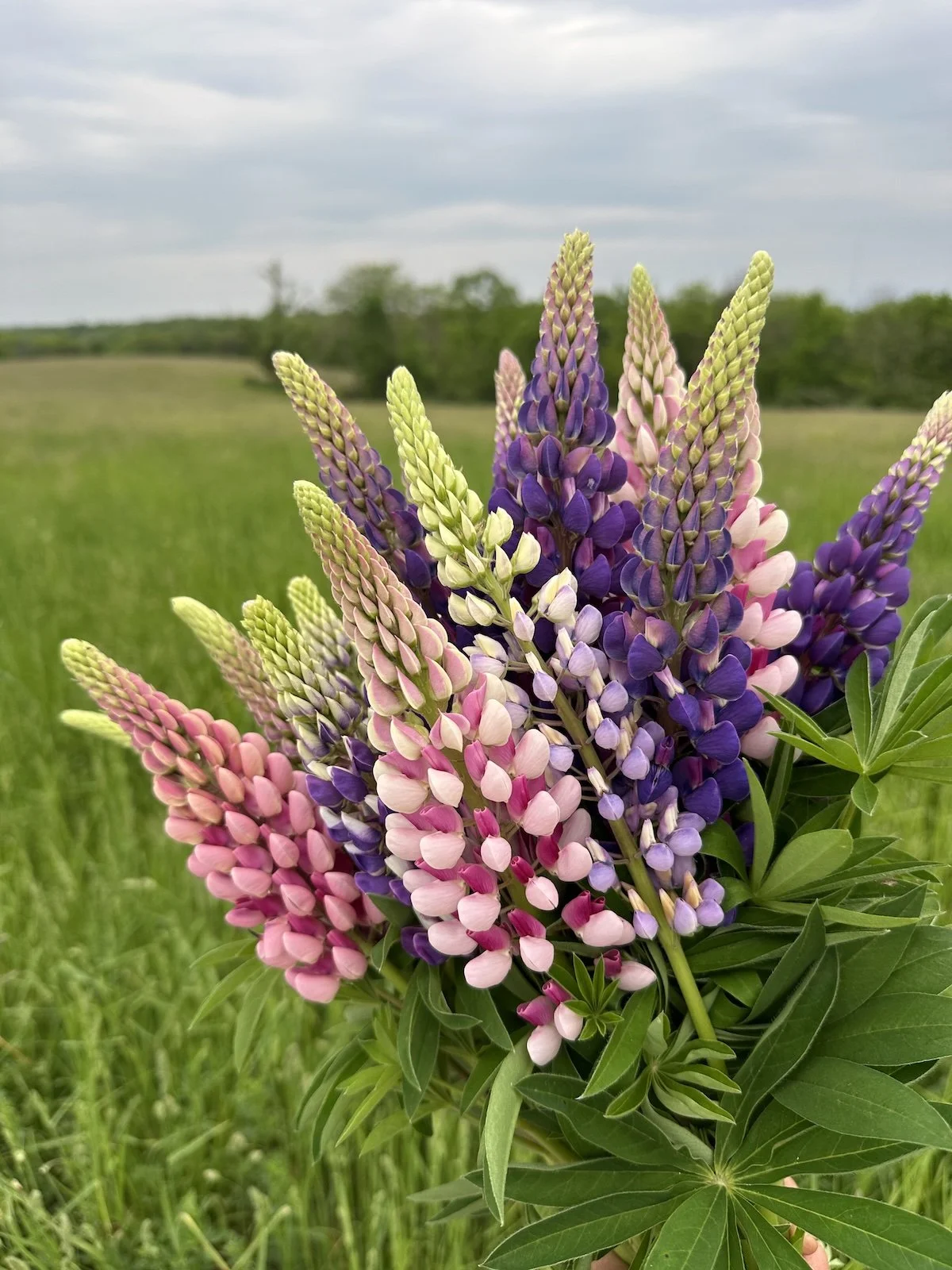
Lupine is a magical garden bloom that instantly transports you to a meadow in full bloom. With tall spires of color ranging from soft pastels to vibrant purples, pinks, and blues, lupine adds structure, pollinator value, and a cottage-garden look.
While you can purchase plant starts, growing lupine from seed is surprisingly simple and incredibly rewarding. With just a few easy steps, you can encourage strong germination and enjoy healthy plants for years to come.
Here’s how to successfully grow lupine from seed!
Why Grow Lupine From Seed?
Starting lupine from seed is so easy and it’s a great way to cost effectively include these unique blooms into your garden. Seeds often provide access to a broader range of colors than nursery plants, and they allow gardeners to grow large drifts of lupine in a very cost-effective way. Plants grown from seed also develop strong taproots right from the beginning, which helps them establish well in the garden.
Lupine also offers an added benefit for the soil. As a nitrogen-fixing plant, it naturally helps improve soil health by adding nitrogen back into the ground, which can benefit neighboring plants as well.
When to Plant Lupine Seeds
Lupine seeds can be planted either outdoors or indoors, depending on your gardening preference and climate. We start ours indoors in early spring for zone 5b, around March 1st. Some flower growers will may also sow lupine directly outdoors in early spring once the soil can be worked. Another excellent option is planting seeds in late fall so they can experience natural cold stratification over winter, but you can only do this if you live in a warmer climate, zone 7 and above.
Preparing Lupine Seeds for Germination
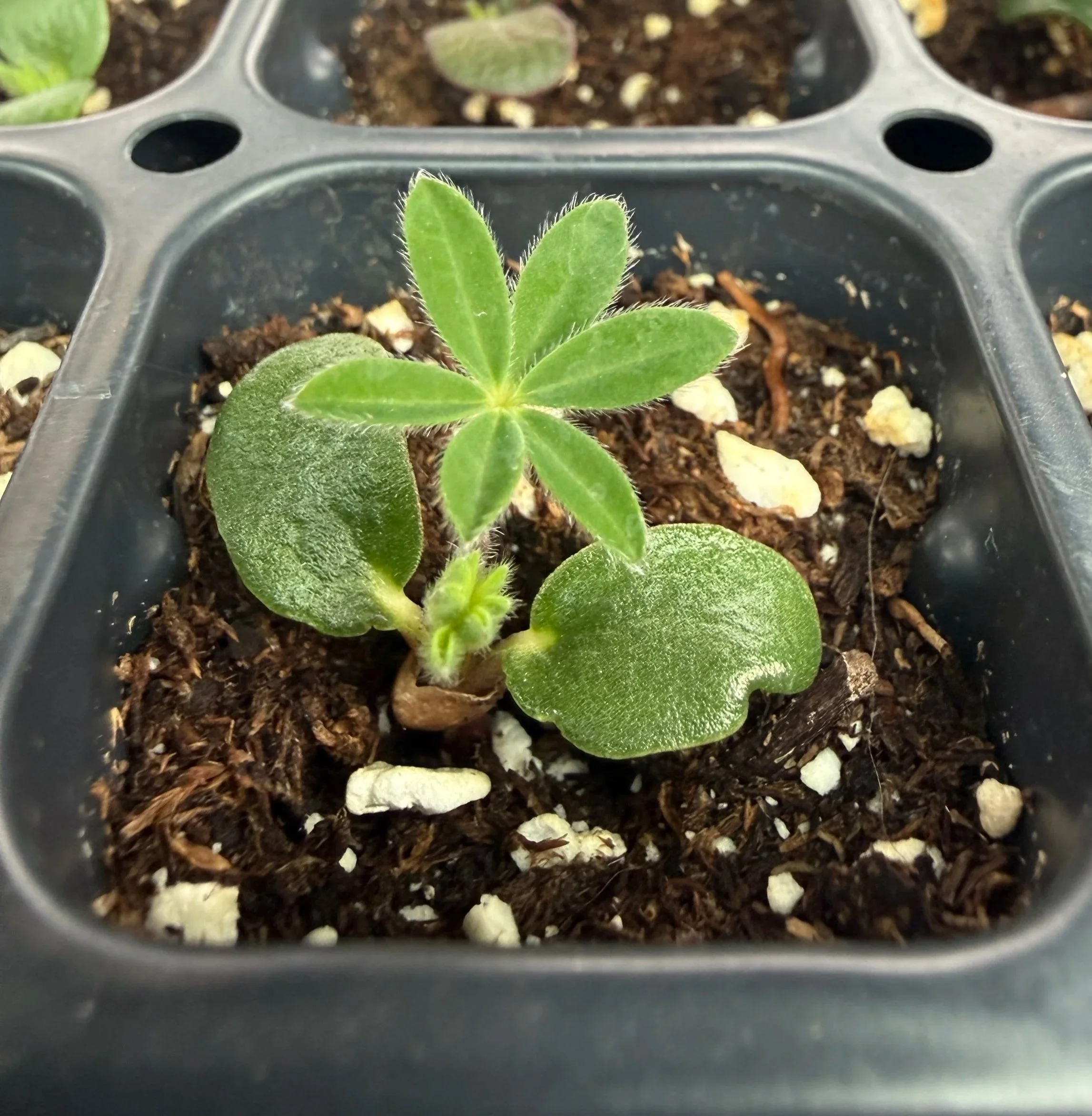
Lupine Seedling
Lupine seeds have a tough outer coating, which can sometimes slow germination. Preparing the seeds before planting helps water penetrate the shell and encourages more consistent sprouting.
One common method is scarification, where the seed coat is gently nicked or lightly rubbed with sandpaper. This allows moisture to reach the interior of the seed more easily. Instead of scarification, we typically will soak the seeds in warm water for twelve to twenty-four hours before planting to loosen the outer shell, but either of these methods will significantly improve germination rates.
Planting Lupine Seeds
Lupine plants develop a long taproot, so it’s helpful to give them space to grow properly from the start. Seeds can be planted in pots with well-draining soil or directly in the garden bed.
Plant the seeds about a quarter to half an inch deep and water them gently after planting. If sowing outdoors, space seeds roughly twelve to eighteen inches apart to allow room for mature plants. Keep the soil lightly moist while seeds are germinating, but avoid overly wet conditions.
With the right conditions, germination typically occurs within two to three weeks.
Light and Temperature Needs
Lupine seeds tend to germinate best in cooler temperatures. Conditions between 55 and 65 degrees Fahrenheit are ideal during the germination stage.
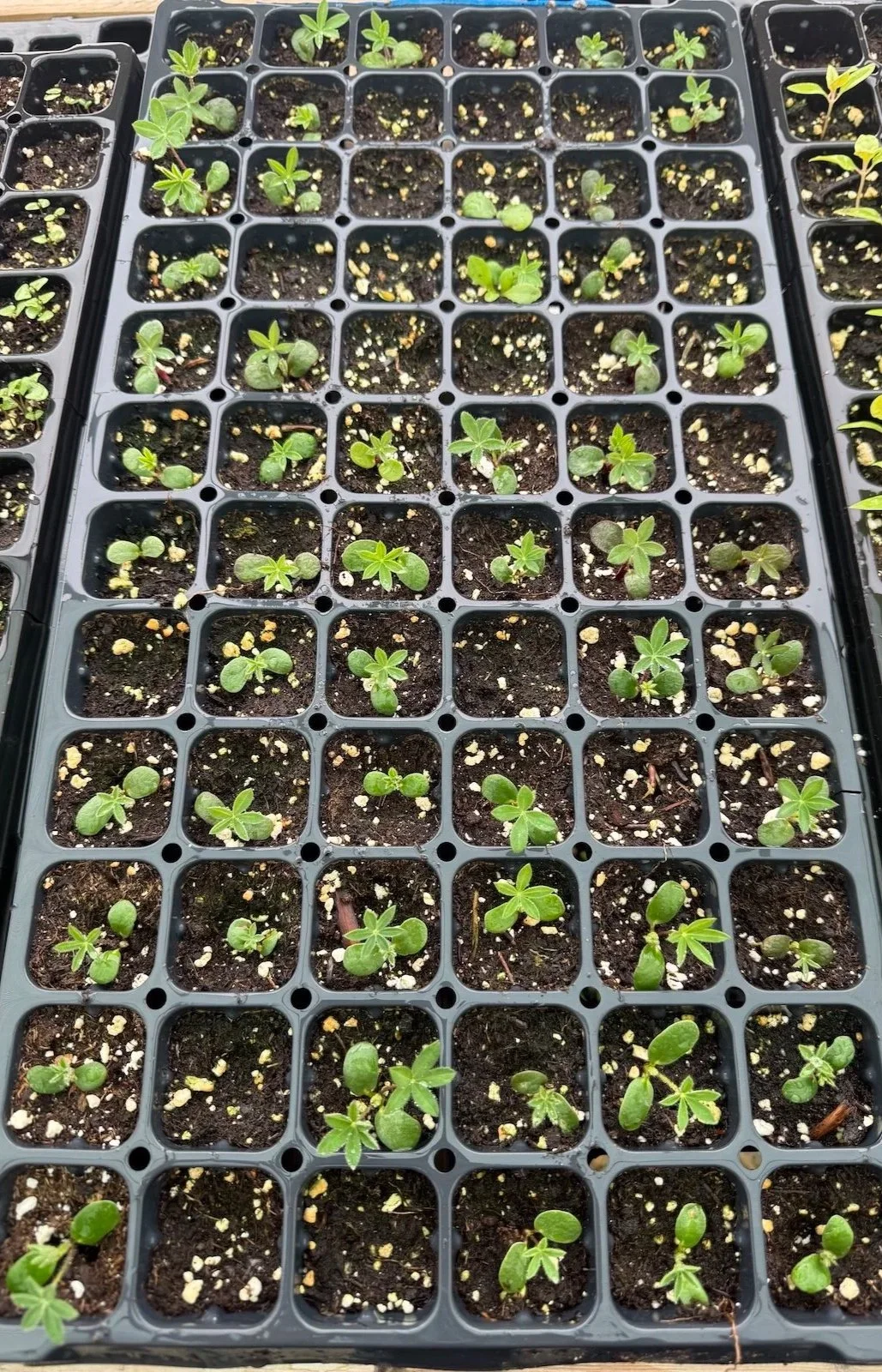
Once seedlings emerge, they benefit from bright light and good airflow. If you’re starting them indoors, placing them near a sunny window or under grow lights will help them develop strong stems and healthy growth.
Transplanting Lupine Seedlings
Because of their deep taproot, lupine seedlings prefer minimal root disturbance. If you start seeds indoors, it’s best to use deeper containers so roots have room to develop.
Seedlings are typically ready to transplant once they have two to three sets of true leaves. When moving them into the garden, handle them carefully and try to disturb the roots as little as possible. Choose a location that receives full sun or light afternoon shade.
Soil and Water Requirements
Lupine grows best in soil that drains well and is slightly acidic to neutral. Unlike many garden plants, lupine does not require especially rich soil and actually prefers conditions that aren’t heavily fertilized.
During the establishment stage, consistent watering helps young plants settle in. Once mature, lupine becomes relatively drought tolerant. The most important thing is to avoid soggy soil, which can lead to root rot.
Pollinators Love Lupine
Beyond its beauty, lupine is a wonderful plant for pollinators. Bees, butterflies, and other beneficial insects are naturally drawn to the nectar-rich blooms.
Planting lupine alongside other cottage-garden favorites creates a vibrant habitat that supports pollinators throughout the growing season.
Whether planted in garden beds, woven into a cutting garden, or naturalized through a meadow planting, lupine brings height, color, and a touch of wild beauty to the landscape.
Growing it from seed takes a little longer than the instant gratification of starting from an established plant, but once those tall flower spikes appear, the reward is well worth the wait!
How to Water Lisianthus Seedlings
Lisianthus seedlings require careful watering to prevent root rot and encourage strong growth. Here’s the simple bottom-watering method we use at PepperHarrow Farm to keep lisianthus plugs healthy and thriving.
Lisianthus is a gorgeous bloom that just needs a little extra TLC. We start many of our plants from seed, but some arrive as tiny plant babies called plugs.
To keep them hydrated and healthy, we use a simple bottom-watering method that encourages strong root development. It’s easy, effective, and works whether you’re growing a few trays in your garden or hundreds for a cutting field.
I recently shared a video across our social channels showing exactly how I water our lisianthus seedlings. Below is the same process we use here on the farm.
Lisianthus seedlings behave a bit differently than many other flowers. Early on they grow slowly, which means they don’t use water very quickly. If the soil stays constantly wet, it can lead to stalled growth or root rot. They also prefer to keep their foliage dry, since wet leaves and crowns can increase the risk of fungal disease. Because of this, we’ve found bottom watering to be the best approach.
When it’s time to water, I fill a wheelbarrow with about five gallons of water and add half a cup of fish fertilizer. The fish fertilizer provides a gentle nutrient boost while the seedlings are developing their root systems.
Next, I submerge the tray of lisianthus plugs into the wheelbarrow, making sure each cell gets submerged so the soil can absorb water from the bottom. The trays only stay in the water long enough for the cells to fully saturate.
Once they’re done soaking, the trays go onto a shelf to drain completely. From there, we allow the soil to dry out before watering again.
That wet-dry cycle is one of the keys to growing strong lisianthus. Allowing the trays to dry between waterings encourages healthy root growth and helps prevent disease.
Lisianthus seedlings sometimes get a reputation for being difficult, but in many cases success simply comes down to watering. Using this simple submersion method keeps the roots happy, and the plants growing strong.
Happy growing!
XX Jenn
The Seasonally Inspired Scents of PepperHarrow Candles
With summer evenings quickly ending, and fall evenings just around the corner, now is the perfect time to refresh your candle collection! Our popular summer candles are bursting with scents like citrus, baked lemon goods, watermelon margs, and of course lavender goodness, all handcrafted to keep you in the summer spirit year long. Here’s a rundown of what’s in right now, and what might be on its way soon!
Watermelon Sugar
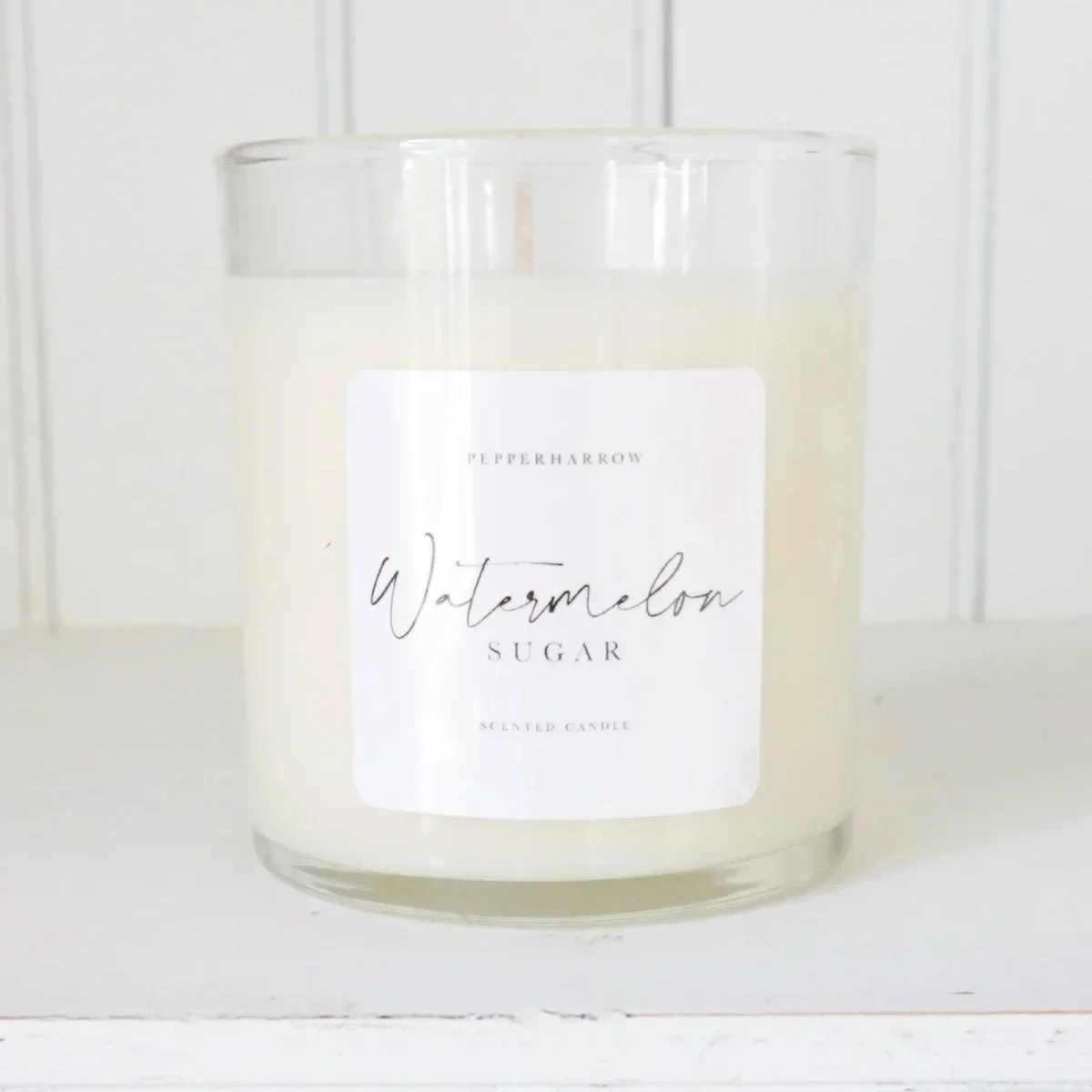
Our Watermelon Sugar Candle is the perfect fragrance to celebrate the joys of summer! This candle is invigorating and refreshing with its juicy watermelon and hint of sweet sugar, and creates an atmosphere that’s both uplifting and calming. Watermelon Sugar will fill your space with a blend of fruity freshness and subtle sweetness, perfect for any summer gathering, afternoons on the porch, or simply bringing a touch of sunshine indoors.
Lemon Crème
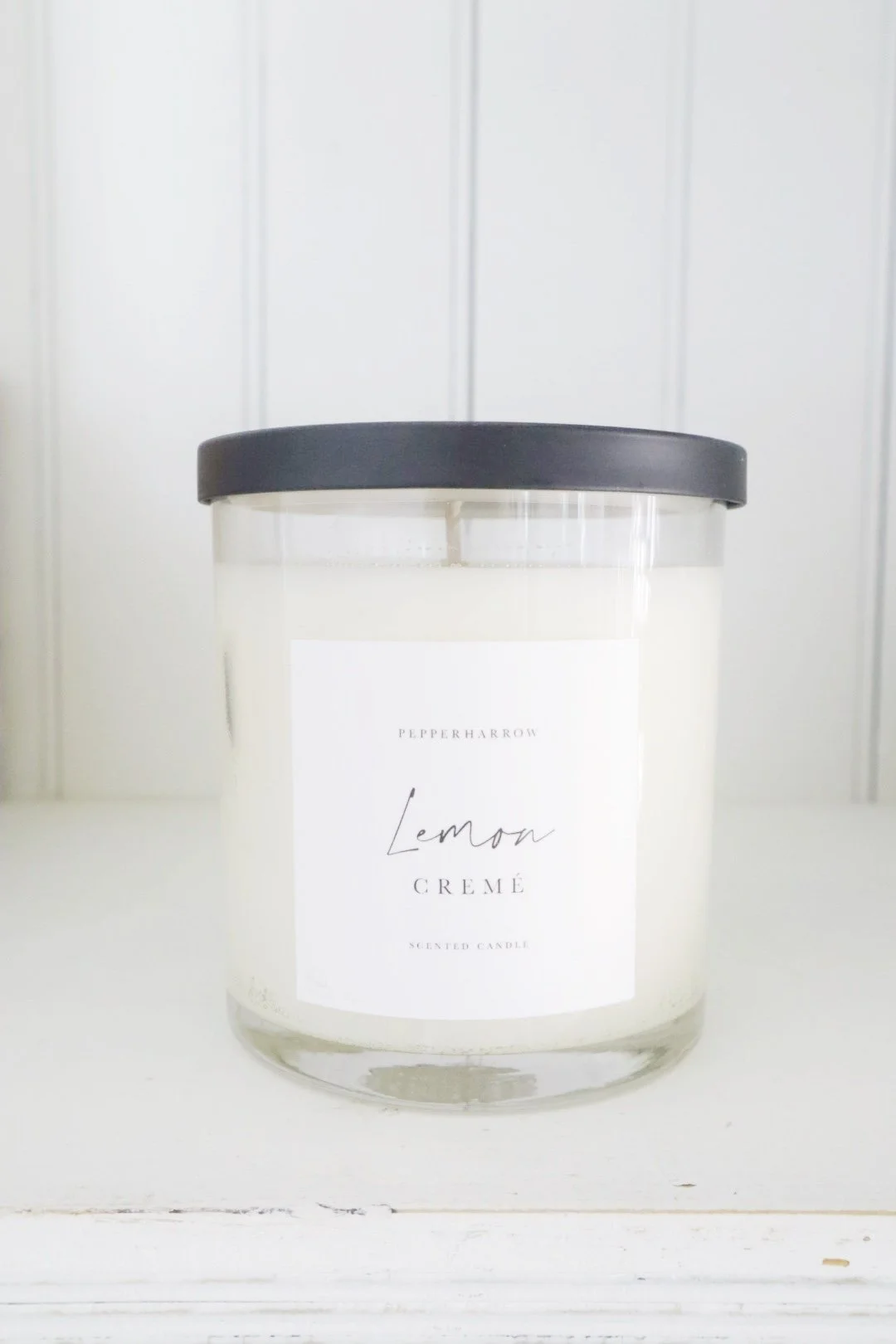
Bright, creamy, and irresistibly smooth, our Lemon Crème candle is a fresh twist on a citrus classic. The uplifting zest of lemon is softened with sweet cream and hints of velvety vanilla, creating a fragrance that feels both refreshing and indulgent.
As it burns, the scent brings to mind a sunlit patisserie filled with lemon custards and delicate confections. Hand-poured on the farm with premium soy wax and a natural cotton wick, it offers a clean, even burn and a warm glow that adds a little sunshine and sweetness to any room.
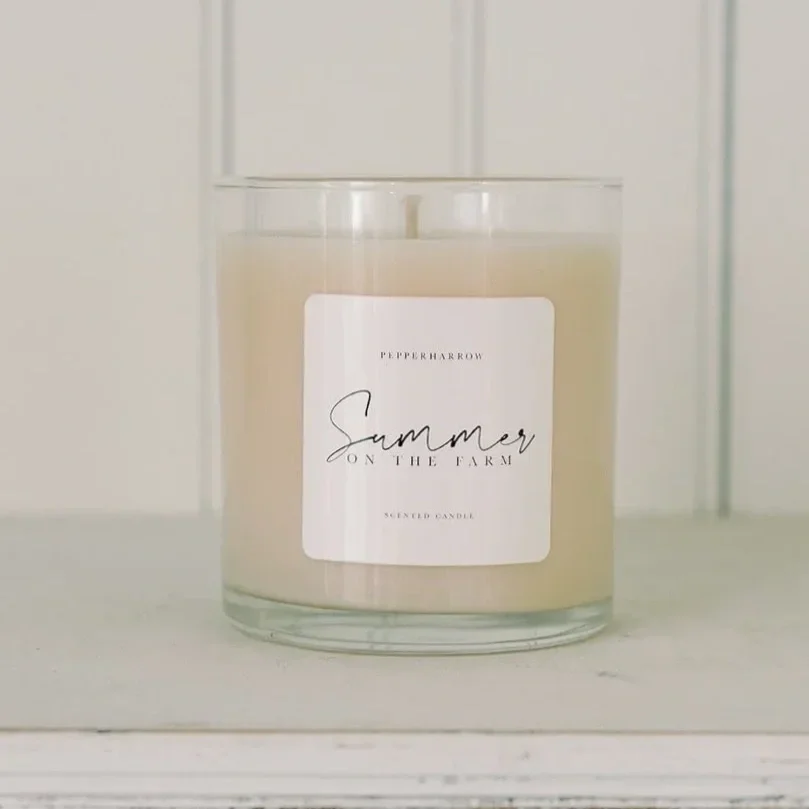
Summer on The Farm
Summer on the Farm is another best-seller known for its mint and clementine fragrance that easily transports you to a summer’s day in the countryside. As you light this candle, the harmonious blend of these two fragrances will create an ambiance that is both energizing and calming, evoking memories of leisurely strolls through a lush farm garden under the warm sun. Whether you're seeking a moment of relaxation, an invigorating burst of freshness, or simply a touch of nature's charm, this candle is the perfect choice for you.
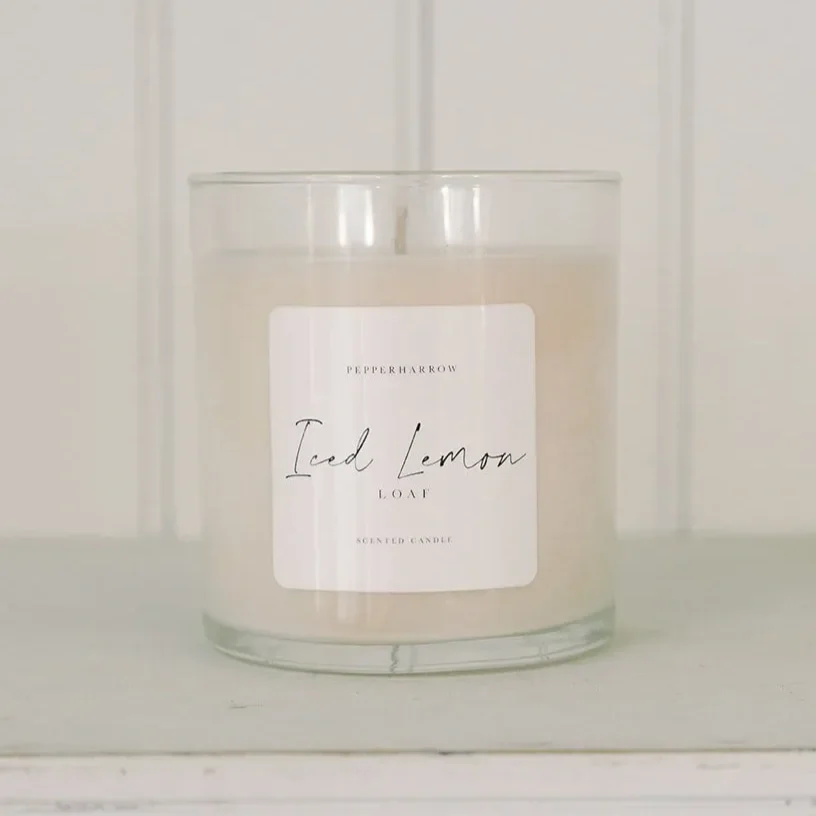
Iced Lemon Loaf
Our yummy Iced Lemon Loaf Candle is a treat for your senses with its zesty lemon and buttery cake base. When you light this candle, the air fills with the comforting scent of lemon-infused batter and easily transports you to a bustling bakery on a sunny morning.
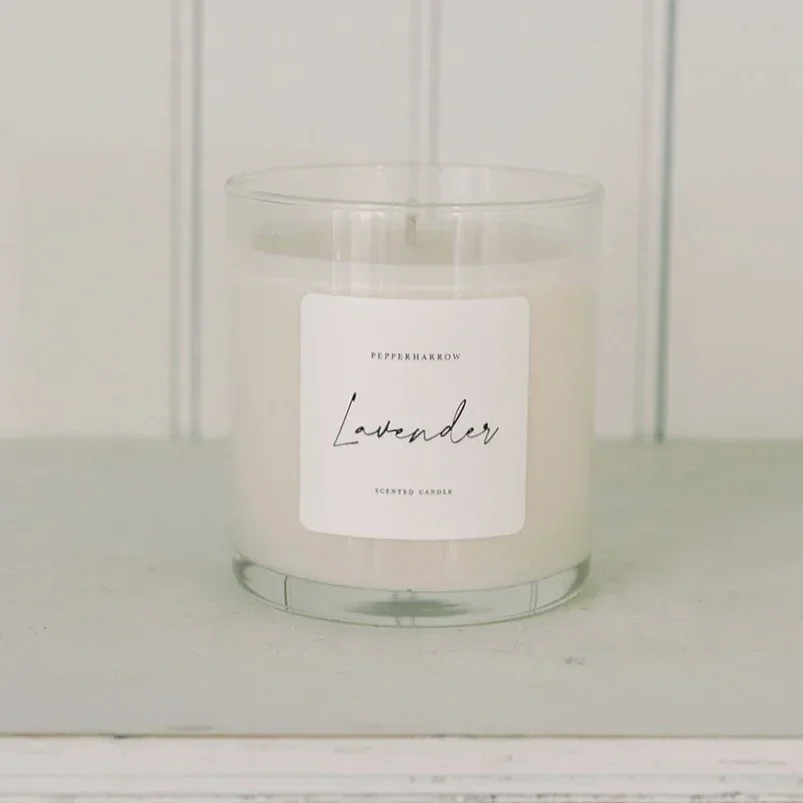
Lavender
Of course, you can’t go wrong with our classic Lavender Candle. This candle is hand-poured using our lavender essential oil which will gently float through your home every time it’s lit. Lavender has wonderful aromatherapy properties like stress relief and relaxation which makes it perfect for a cozy night in or a much-needed moment of calm, leaving both you and your space feeling refreshed.
Cinnamon Chai
Our Cinnamon Chai Candle is a sensory delight that brings warmth and comfort to your home. This stunning candle captures the aromatic essence of spiced chai tea infused with a hint of cinnamon, creating a cozy and inviting atmosphere. It’s the perfect candle for the transition from summer nights to fall evenings.
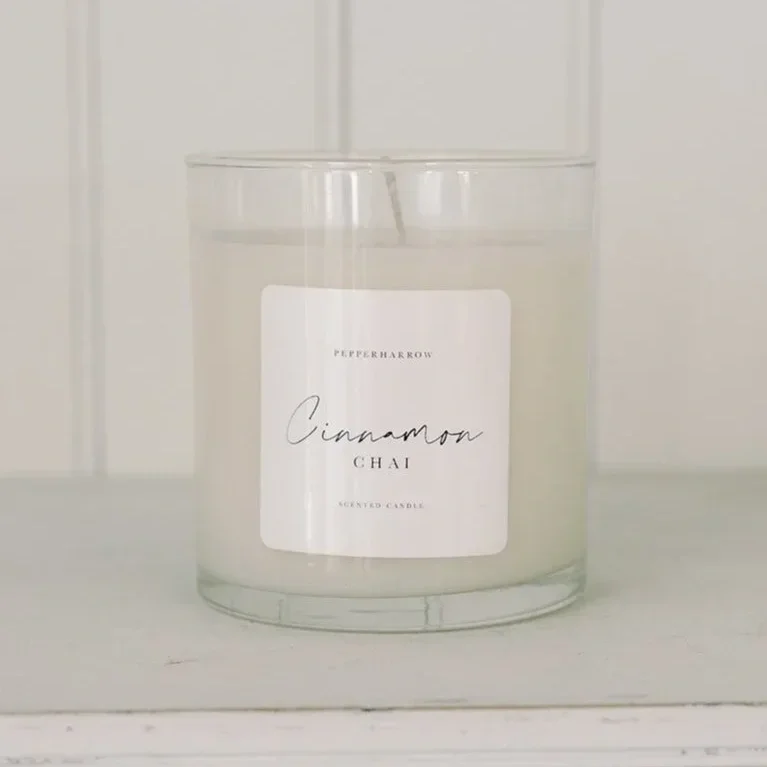
Our candles are all hand poured with high quality, natural soy wax, ensuring a clean and even burn that lasts for hours. The natural cotton wick adds a touch of coziness to your space. They all come in a pretty 8.5oz glass container, with a few select fragrances available in a 16oz size.
Stay tuned for even more summer vibes as we get ready to drop a few new candle scents for y’all soon. But for now, take in the rest of the summer days and let our candles be a stunning addition to your space.
XX Jenn and Adam