
How to Grow Lupine From Seed: A Step-by-Step Guide
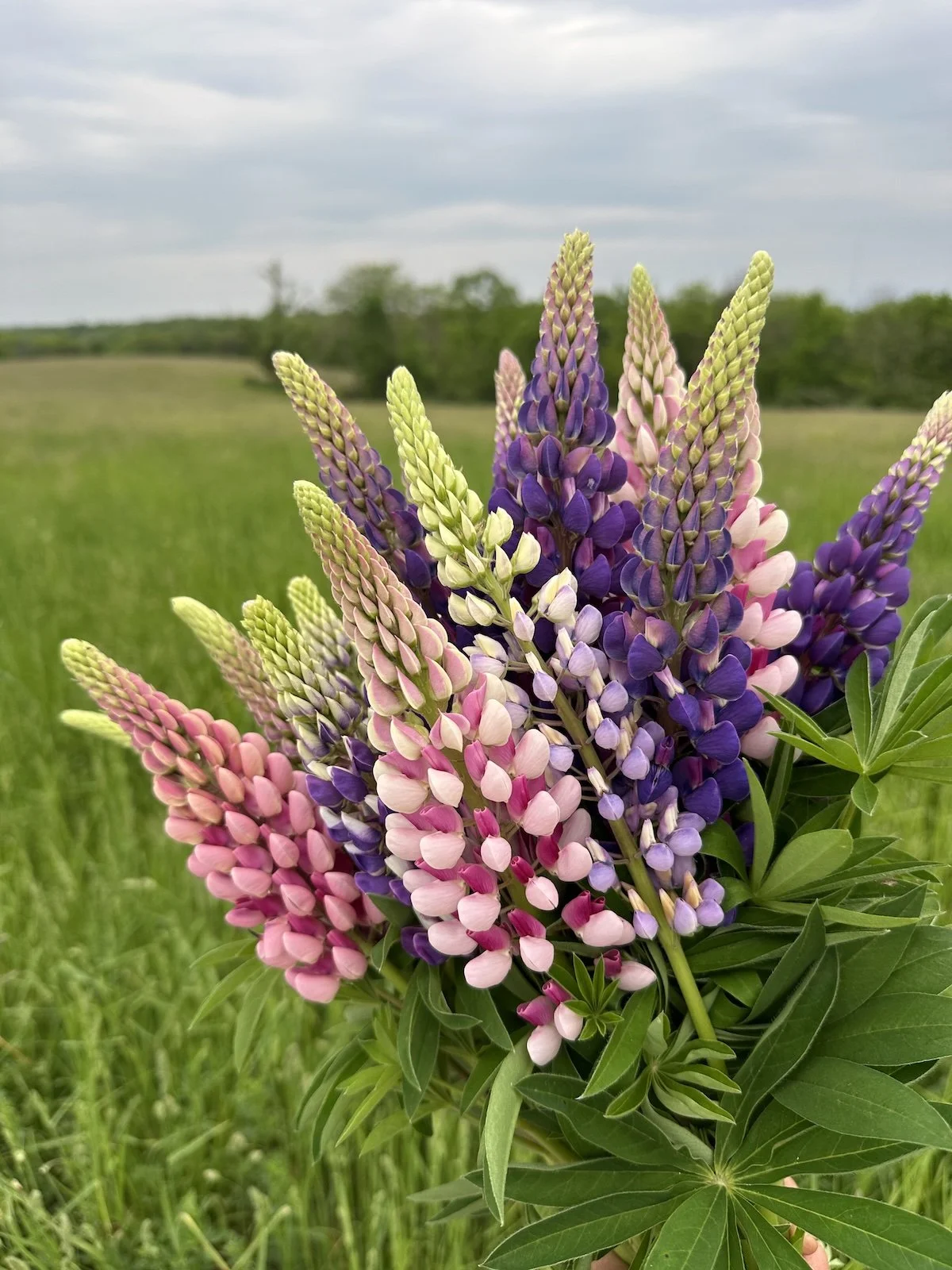
Lupine is a magical garden bloom that instantly transports you to a meadow in full bloom. With tall spires of color ranging from soft pastels to vibrant purples, pinks, and blues, lupine adds structure, pollinator value, and a cottage-garden look.
While you can purchase plant starts, growing lupine from seed is surprisingly simple and incredibly rewarding. With just a few easy steps, you can encourage strong germination and enjoy healthy plants for years to come.
Here’s how to successfully grow lupine from seed!
Why Grow Lupine From Seed?
Starting lupine from seed is so easy and it’s a great way to cost effectively include these unique blooms into your garden. Seeds often provide access to a broader range of colors than nursery plants, and they allow gardeners to grow large drifts of lupine in a very cost-effective way. Plants grown from seed also develop strong taproots right from the beginning, which helps them establish well in the garden.
Lupine also offers an added benefit for the soil. As a nitrogen-fixing plant, it naturally helps improve soil health by adding nitrogen back into the ground, which can benefit neighboring plants as well.
When to Plant Lupine Seeds
Lupine seeds can be planted either outdoors or indoors, depending on your gardening preference and climate. We start ours indoors in early spring for zone 5b, around March 1st. Some flower growers will may also sow lupine directly outdoors in early spring once the soil can be worked. Another excellent option is planting seeds in late fall so they can experience natural cold stratification over winter, but you can only do this if you live in a warmer climate, zone 7 and above.
Preparing Lupine Seeds for Germination
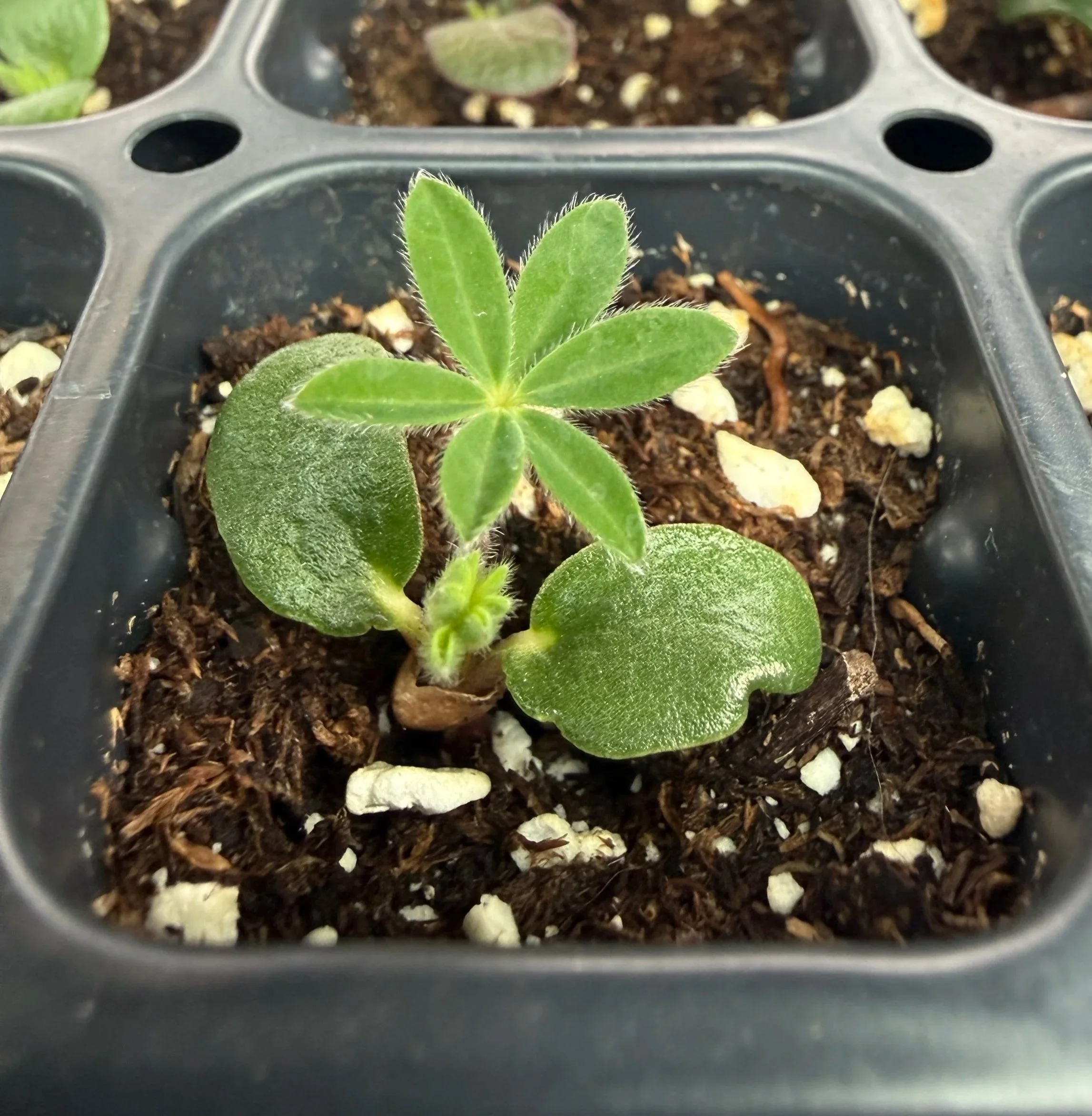
Lupine Seedling
Lupine seeds have a tough outer coating, which can sometimes slow germination. Preparing the seeds before planting helps water penetrate the shell and encourages more consistent sprouting.
One common method is scarification, where the seed coat is gently nicked or lightly rubbed with sandpaper. This allows moisture to reach the interior of the seed more easily. Instead of scarification, we typically will soak the seeds in warm water for twelve to twenty-four hours before planting to loosen the outer shell, but either of these methods will significantly improve germination rates.
Planting Lupine Seeds
Lupine plants develop a long taproot, so it’s helpful to give them space to grow properly from the start. Seeds can be planted in pots with well-draining soil or directly in the garden bed.
Plant the seeds about a quarter to half an inch deep and water them gently after planting. If sowing outdoors, space seeds roughly twelve to eighteen inches apart to allow room for mature plants. Keep the soil lightly moist while seeds are germinating, but avoid overly wet conditions.
With the right conditions, germination typically occurs within two to three weeks.
Light and Temperature Needs
Lupine seeds tend to germinate best in cooler temperatures. Conditions between 55 and 65 degrees Fahrenheit are ideal during the germination stage.
Once seedlings emerge, they benefit from bright light and good airflow. If you’re starting them indoors, placing them near a sunny window or under grow lights will help them develop strong stems and healthy growth.
Transplanting Lupine Seedlings
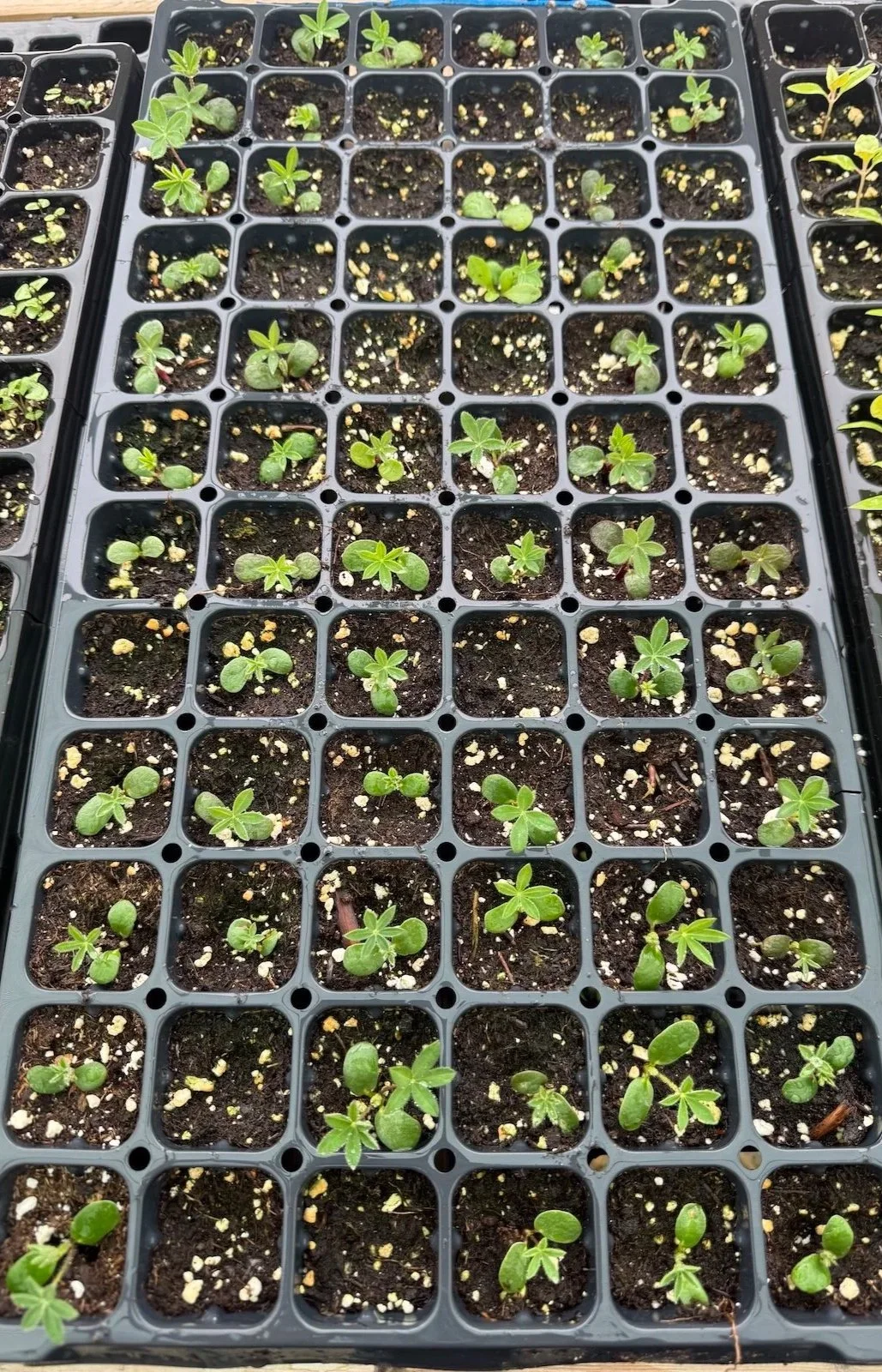
Because of their deep taproot, lupine seedlings prefer minimal root disturbance. If you start seeds indoors, it’s best to use deeper containers so roots have room to develop.
Seedlings are typically ready to transplant once they have two to three sets of true leaves. When moving them into the garden, handle them carefully and try to disturb the roots as little as possible. Choose a location that receives full sun or light afternoon shade.
Soil and Water Requirements
Lupine grows best in soil that drains well and is slightly acidic to neutral. Unlike many garden plants, lupine does not require especially rich soil and actually prefers conditions that aren’t heavily fertilized.
During the establishment stage, consistent watering helps young plants settle in. Once mature, lupine becomes relatively drought tolerant. The most important thing is to avoid soggy soil, which can lead to root rot.
Pollinators Love Lupine
Beyond its beauty, lupine is a wonderful plant for pollinators. Bees, butterflies, and other beneficial insects are naturally drawn to the nectar-rich blooms.
Planting lupine alongside other cottage-garden favorites creates a vibrant habitat that supports pollinators throughout the growing season.
Whether planted in garden beds, woven into a cutting garden, or naturalized through a meadow planting, lupine brings height, color, and a touch of wild beauty to the landscape.
Growing it from seed takes a little longer than the instant gratification of starting from an established plant, but once those tall flower spikes appear, the reward is well worth the wait!
