
The Secret to Having Blooms All Season Long
One of the questions we’re asked most often, whether during farm visits or messages online, is how we manage to keep the fields blooming for such a long stretch of the season. It’s a great question, and one we love answering, because the reality is that continuous blooms are never accidental. They’re the result of a lot of planning, observation, and intentional growing that shapes nearly everything we do.
The answer is one that’s pretty simple. It’s part of our succession planting plan, where we make a seed starting and planting plan very early in the year and implement this plan to make sure we have have plenty of flowers to use for bouquets, and for visitors to enjoy seeing at the farm all throughout May through October.
For us, succession planning serves as one of the most important parts of our flower growing season. While it may not be the most glamorous part of growing flowers, it is certainly one of the most essential. Behind every massive harvest and every field that looks like a rainbow of color, is the framework of a plan for growing and planting flowers that bloom all season long.
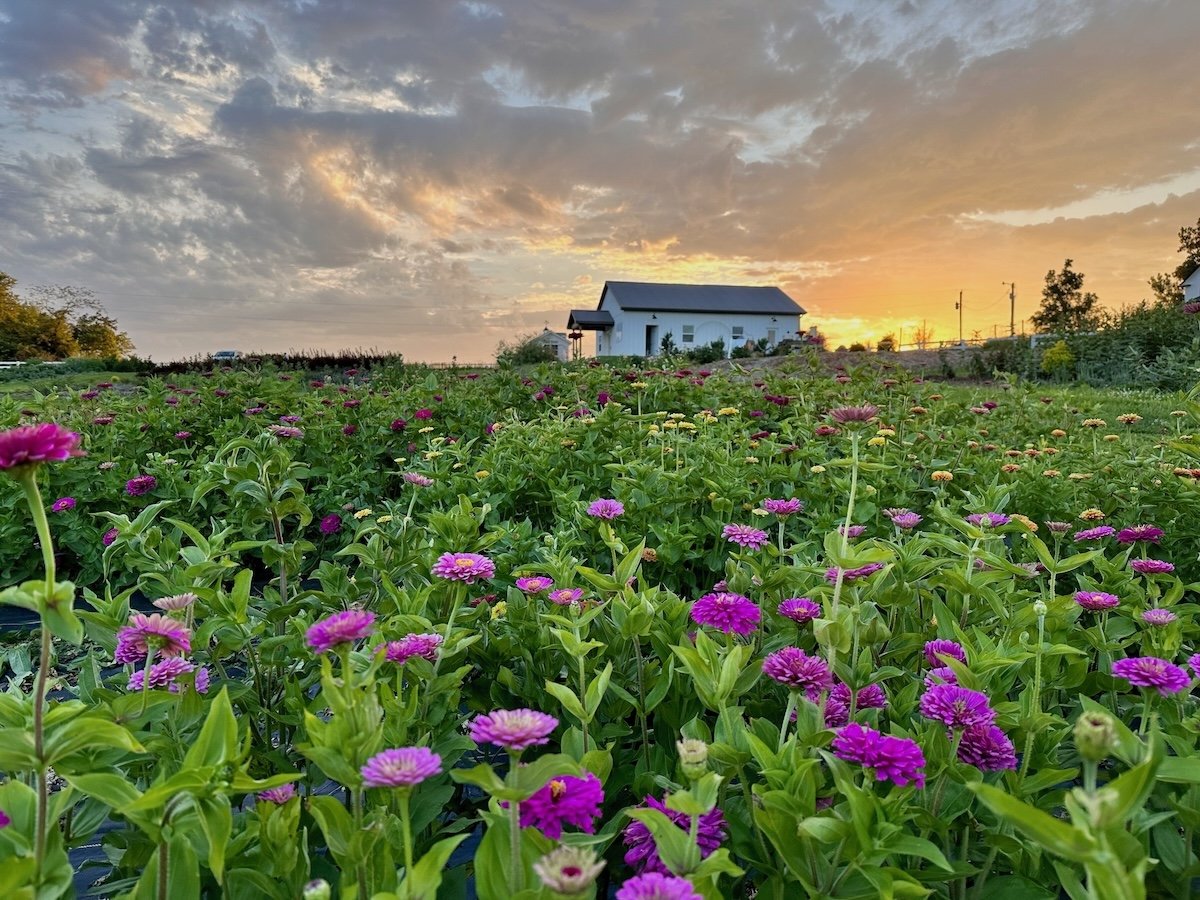
Seasonal Timing
Flowers, by their very nature, are fleeting. No single sowing, no matter how successful, can sustain an entire growing season. Early on, we learned that relying on one planting often leads to dramatic highs followed by big gaps in blooms, creating cycles of overwhelm and scarcity that can be difficult to manage a business.
Succession planting allows us to work in harmony with this natural bloom cycle rather than constantly chasing it. By sowing and planting in thoughtfully spaced intervals, we create overlapping waves of blooms. As one succession begins to slow, another is just beginning to flourish, resulting in a season that feels continuous, and balanced.
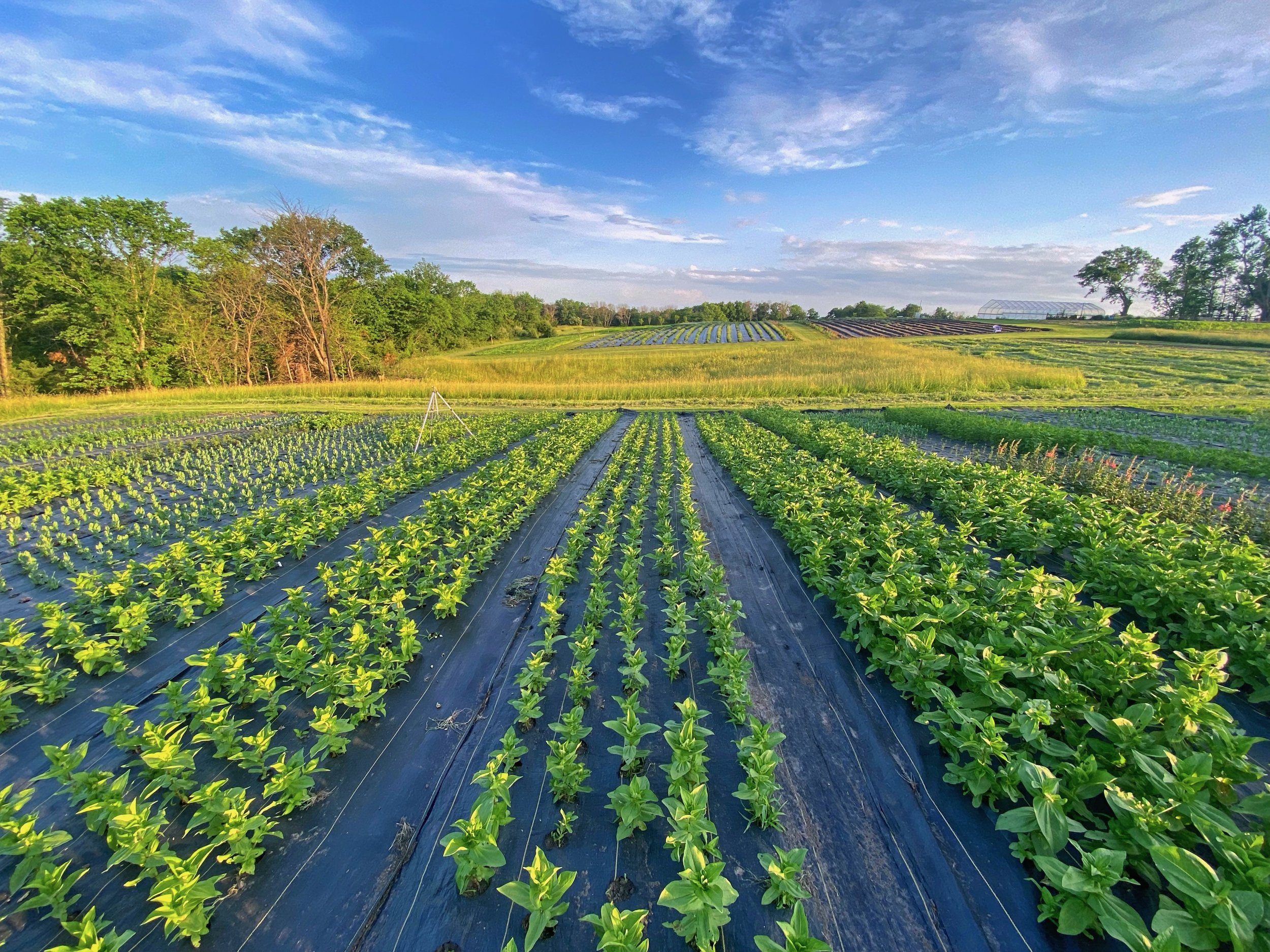
Creating a Rhythm
Without succession planning, flower farming can quickly become reactive. A sudden flood of blooms may leave you scrambling to harvest, design, and sell, only to be followed by weeks where availability of blooms feels limited. This pattern doesn’t just affect the aesthetics of the farm, it impacts harvest consistency, sales stability, and the overall experience of growing. These are all so critical when it comes to selling flowers.
By contrast, succession planting introduces a pattern, a mapped out plan. We love this, because harvests become more predictable, design work feels less constrained by supply, and the fields maintain that full, generous look we all strive for. It’s always hard to sit down to do the planning work up front, but the benefits always pay off in the long run.
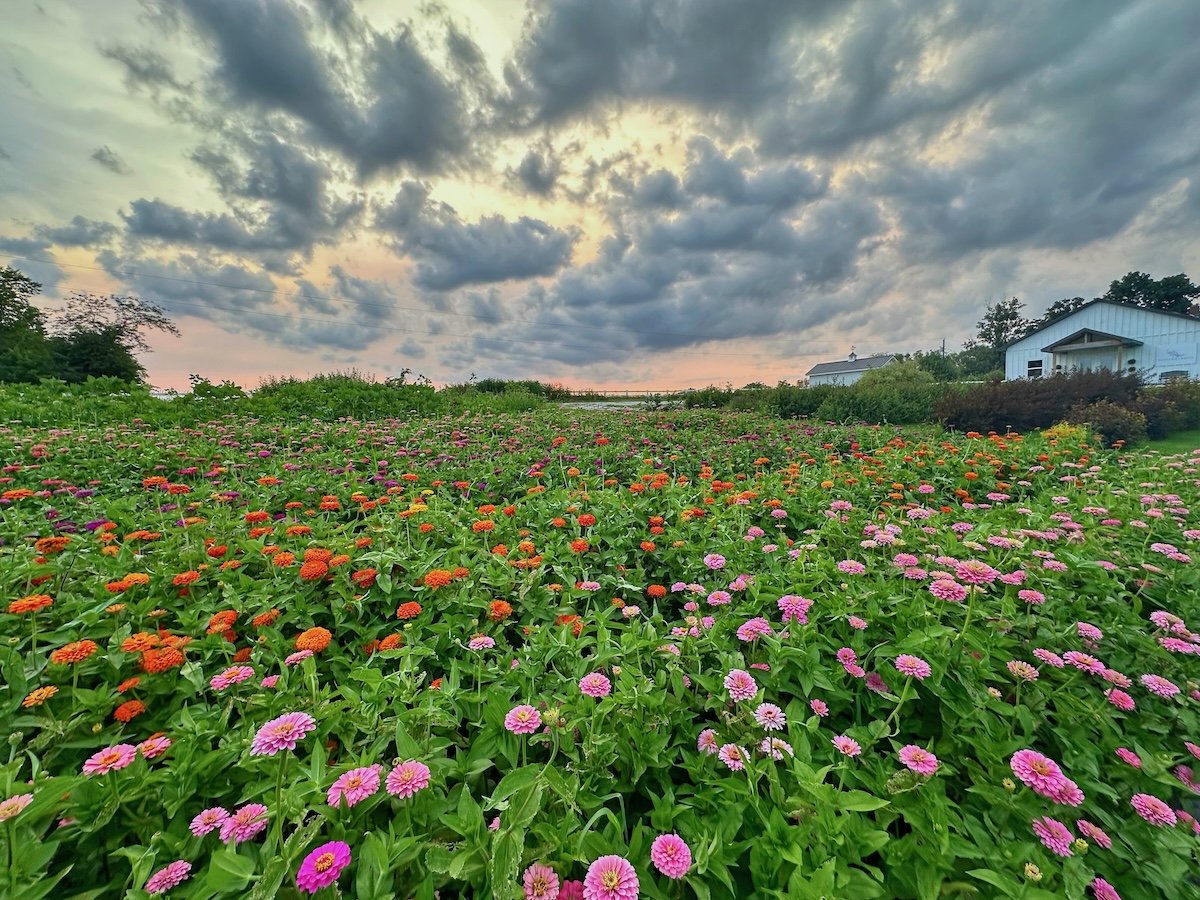
Succession planting is often simplified into a schedule of “plant every two weeks,” but the reality is it’s a little more nuanced. Each flower crop carries its own timeline, influenced by maturity rates.
True succession planning requires an understanding of these variables and a willingness to adapt. All of this is part strategy, part observation, and part experience. All skills refined gradually over seasons rather than perfected overnight.
The PepperHarrow Tagalong Succession Guide
Our Succession Planting Guide was designed to bring clarity and calm to succession planning. Built from our 15 year long flower growing experience, it offers structure for learning this process, yet gives enough flexibility for success. It’s meant to work alongside you through the season, helping you think ahead, track your plantings, and create a more seamless flow of blooms.
👉 Download the Tagalong Succession Guide
A Season of Abundance
Continuous blooms in the flower fields are often described as magical, with blooms in a rainbow of color that look like they go on and on for days, but the truth that they’re thoughtfully planned well in advance. Behind every flower field are decisions, and a lot of work made weeks and months earlier.
Regardless if you choose to check out our succession plan, we hope that you’ll explore starting seeds and planting and multiple times throughout the growing season to experiment with having blooms throughout your growing season. Once you see how many more flowers doing this provides, you’ll be hooked!
XX Jenn and Adam
