
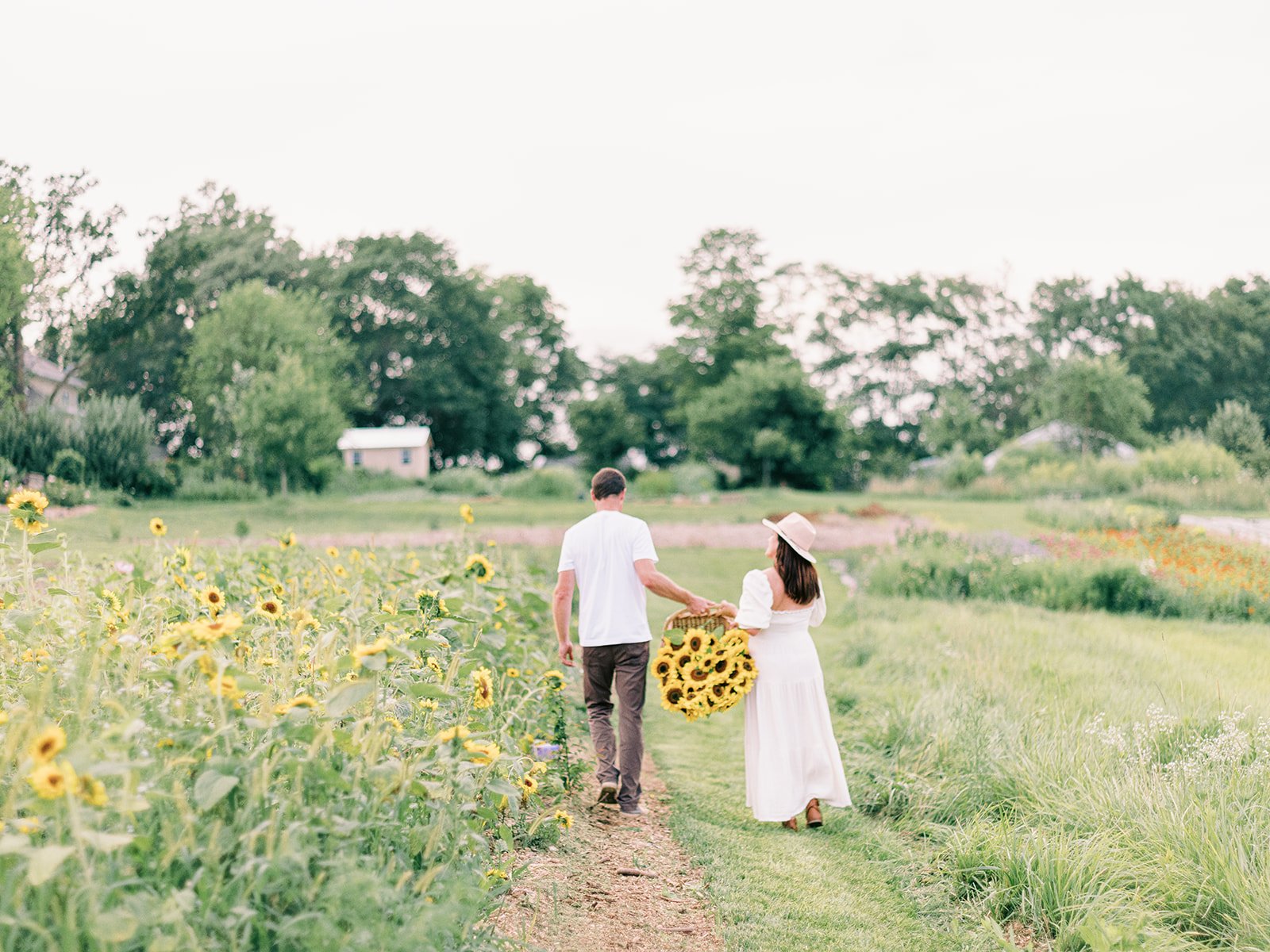

Last Harvest of the Season
On a perfect fall day, surrounded by the warm hues of autumn, we gather to celebrate the final harvest of the season. Dahlias, with their vibrant colors and intricate petals, take center stage alongside flame-like celosia. As we embrace the changing leaves and crisp air, this last harvest becomes a celebration of nature's artistry. It's a reminder to slow down, appreciate the season, and find joy in transforming these blooms into beautiful creations. Join us in savoring the magic of autumn and the creative spirit it inspires
As the warm embrace of summer gives way to the crisp, golden hues of autumn, there's something undeniably magical about the transition. It's a time when nature sheds its vibrant greens for a more subdued palette of reds, oranges, and yellows, and the world seems to transform before our very eyes. It's also the perfect season for one of our favorite traditions: the last harvest of the year. On this particular autumn day, we gather to celebrate the final bounty of the season, including dahlias, celosia, and several varieties of other dry-able flowers, which will be hung up in the barn to dry for our upcoming wreath-making classes.
A Perfect Fall Day
The scene is set on a perfect fall day – the sun casts a warm, golden glow over the landscape, and the leaves are changing, painting a breathtaking picture of nature's artwork. The air carries a distinct crispness that only autumn can provide, and there's a gentle breeze rustling the leaves. It's a day when time seems to slow down, allowing us to fully immerse ourselves in the beauty of the season.
The Last Harvest
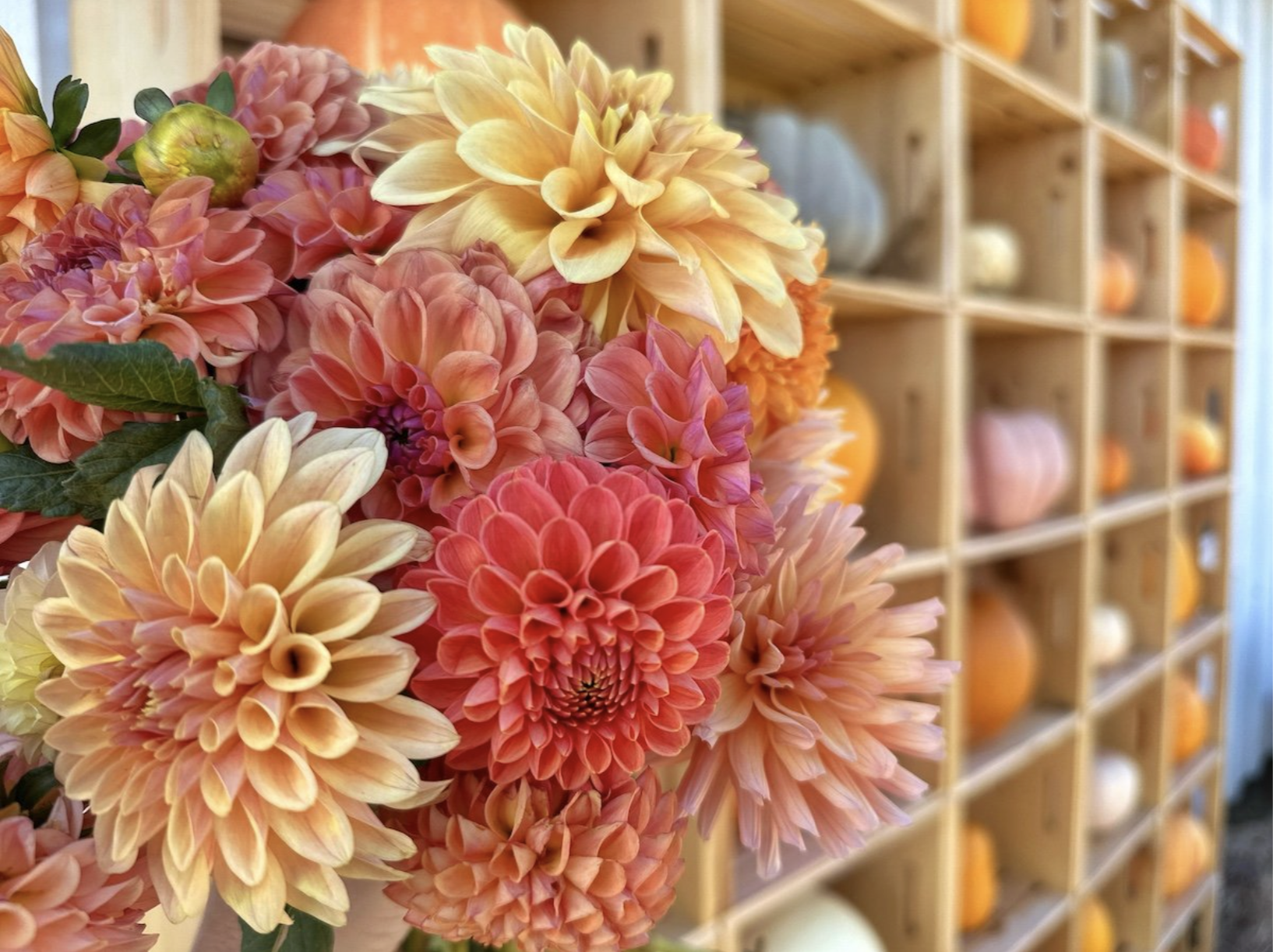
In the fields that stretch before us, the last of the summer blooms are mingling with the vibrant colors of autumn. Dahlias, with their intricate petals and vivid hues, are among the stars of the show. They come in a variety of shapes and sizes, from the classic round forms to the spiky, cactus-like varieties. With hues ranging from deep burgundy to golden yellow, they are a true testament to nature's artistry. Shown below are several of our varieties, with the main ones being dahlia, Chewy.

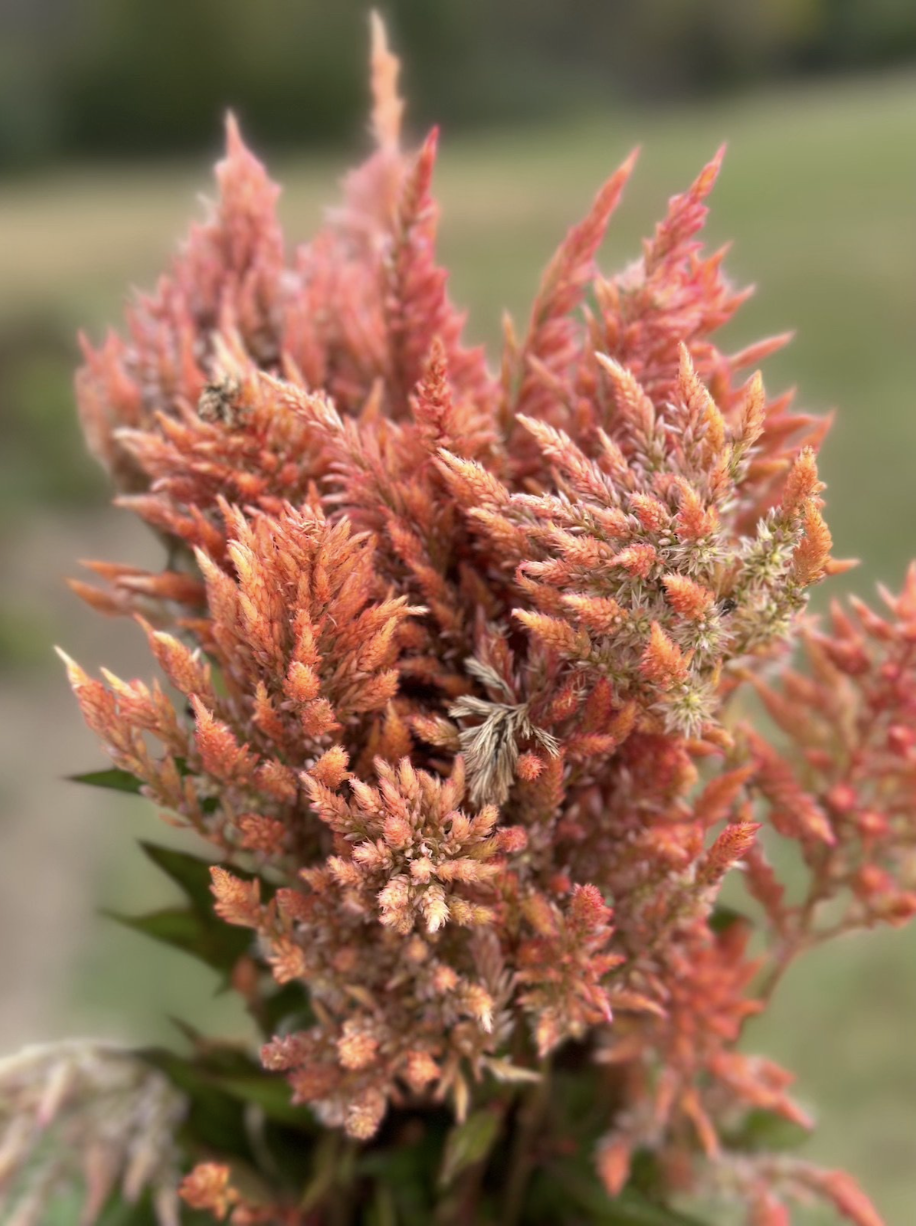
Celosia, with its distinctive flame-like appearance, adds a unique touch to the harvest. These plumes of red, orange, and yellow resemble the flickering flames of a bonfire, making them an ideal addition to our fall collection.
Celebrating the Season
As we gather for this last harvest, we're not just collecting flowers; we're celebrating the season. We're savoring the changing leaves, the pumpkin decorations, and the unmistakable atmosphere of fall. We're finding joy in the act of creating and in the company of friends and fellow nature enthusiasts.
In a world that often rushes by, it's moments like these that remind us of the beauty in slowing down, connecting with the world around us, and using our creativity to transform nature's bounty into art. It's a reminder that each season has its unique charm, and by embracing it fully, we can find inspiration and fulfillment.
XX Jenn and Adam


Unwind and Relax: Lavender Essential Oil Perfume Roll-Ons
Discover the soothing benefits of lavender essential oil with our perfume roll-ons. Portable and convenient, these roll-ons offer stress reduction, improved sleep quality, enhanced mood, and relief for headaches. Experience mindful relaxation anytime, anywhere, with the calming aroma of lavender. Elevate your mood, ease stress, and embrace tranquility on the go. Explore the natural aromatherapy of lavender and bring a sense of peace and serenity to your daily life.
In the fast-paced, sometimes overstimulating world we live in, finding moments of peace, tranquility and relaxation can be a challenge. Enter lavender essential oil, a natural aromatic remedy known for its ability to calm the mind and soothe the soul. In this blog post, we'll explore how our lavender essential oil perfume roll-ons can become your portable relaxation companion, offering serenity, peace, and the wonderful fragrance of lavender whenever you need it.

Benefits of Lavender Essential Oil Perfume Roll-On:
Stress Reduction: Lavender essential oil is renowned for its stress-relieving properties. A simple application of a lavender-infused perfume roll-on can help reduce feelings of anxiety and tension, promoting a sense of calmness.
Improved Sleep Quality: Lavender is well-known for its sleep-inducing effects. Applying the lavender essential oil roll-on to your pulse points before bedtime can help create a relaxing bedtime ritual, improving the quality of your sleep.
Enhanced Mood and Well-being: The pleasant aroma of lavender essential oil has mood-lifting capabilities. A quick roll of the perfume on your wrists can boost your spirits, making it an ideal on-the-go aromatherapy solution.
Aid for Headaches and Migraines: Lavender essential oil may help alleviate headaches and migraines. Gently applying the roll-on to your temples and massaging it in can provide a soothing sensation and potentially ease discomfort.
Mindful Relaxation Anytime, Anywhere: The convenience of a roll-on bottle makes it easy to carry lavender essential oil with you wherever you go. Whether you're at work, traveling, or simply out and about, a gentle swipe of the perfume roll-on can offer a moment of relaxation amidst a hectic day.
Natural Aromatherapy for Meditation: Lavender's calming scent makes it an excellent choice for enhancing your meditation practice. Apply the roll-on to your wrists or neck before meditating to create a peaceful and serene atmosphere.
Use the power of lavender essential oil and experience a little piece of tranquility wherever life takes you. A lavender-infused perfume roll-on is more than just a pleasant scent—it's a calming fragrance that can elevate your mood, ease stress, and offer relaxation at any moment. Carry the calming essence of lavender with you and enjoy the peaceful benefits it brings to your daily life.

Everlasting Love! The 10 Best Dried Flowers for Your Home
In the world of home decor, dried flowers have staged a comeback, offering timeless charm and low-maintenance beauty. Explore our top 10 dried flowers, from the soothing lavender to the dramatic larkspur, perfect for elevating your living spaces with lasting elegance. Discover the versatility and lasting appeal of these dried blooms that effortlessly enhance the aesthetics of your home, providing a touch of nature that stands the test of time.
In the world of interior design and home decor, dried flowers have made a triumphant comeback. These timeless beauties not only add a touch of nature to your living space but also offer a unique charm that fresh flowers can't provide. Dried flowers are versatile, low-maintenance, and have a long shelf life, making them a fantastic choice for any home. Today, we'll explore the 10 best dried flowers that will effortlessly elevate the aesthetics of your living spaces.
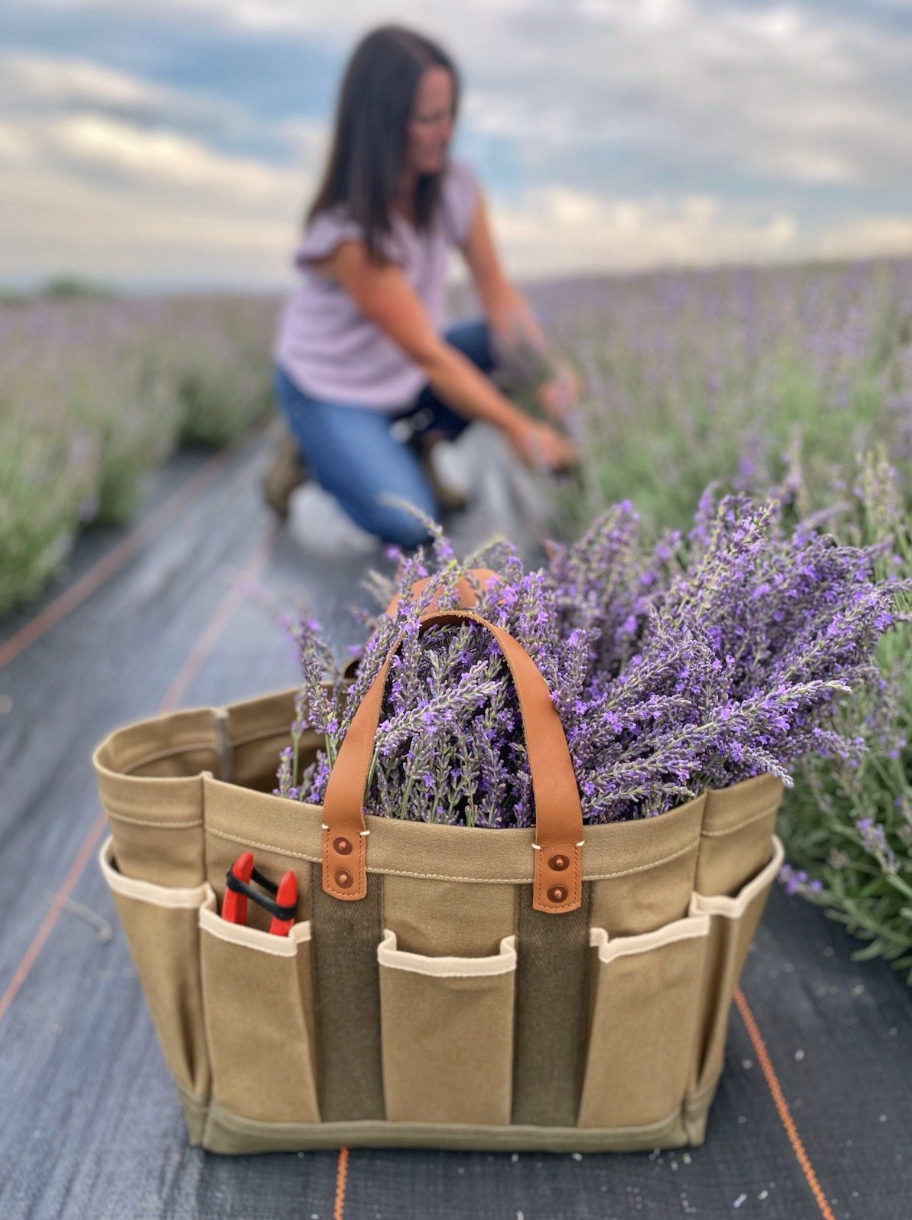
Lavender
Lavender, with its soothing fragrance and vibrant purple hues, is a classic choice for dried flower arrangements. Its calming aroma can help reduce stress and anxiety, making it an excellent addition to bedrooms or relaxation spaces.
Amaranth
Amaranth is a striking dried flower known for its unique, flame-shaped blossoms that come in vibrant shades of red, orange, and purple. This dramatic flower symbolizes immortality and unfading love, making it a popular choice for dried flower arrangements. Amaranth adds a touch of exotic beauty and can be used to create eye-catching focal points in your decor.

Celosia
Celosia, also known as the "cockscomb" due to its distinctive shape, is a captivating dried flower that resembles vibrant, velvety crests. These flowers come in a variety of colors, including rich reds, deep purples, and vivid oranges. Celosia's bold and whimsical appearance makes it an excellent choice for adding a playful, artistic touch to your dried flower arrangements, making them stand out in any room.

Gomphrena
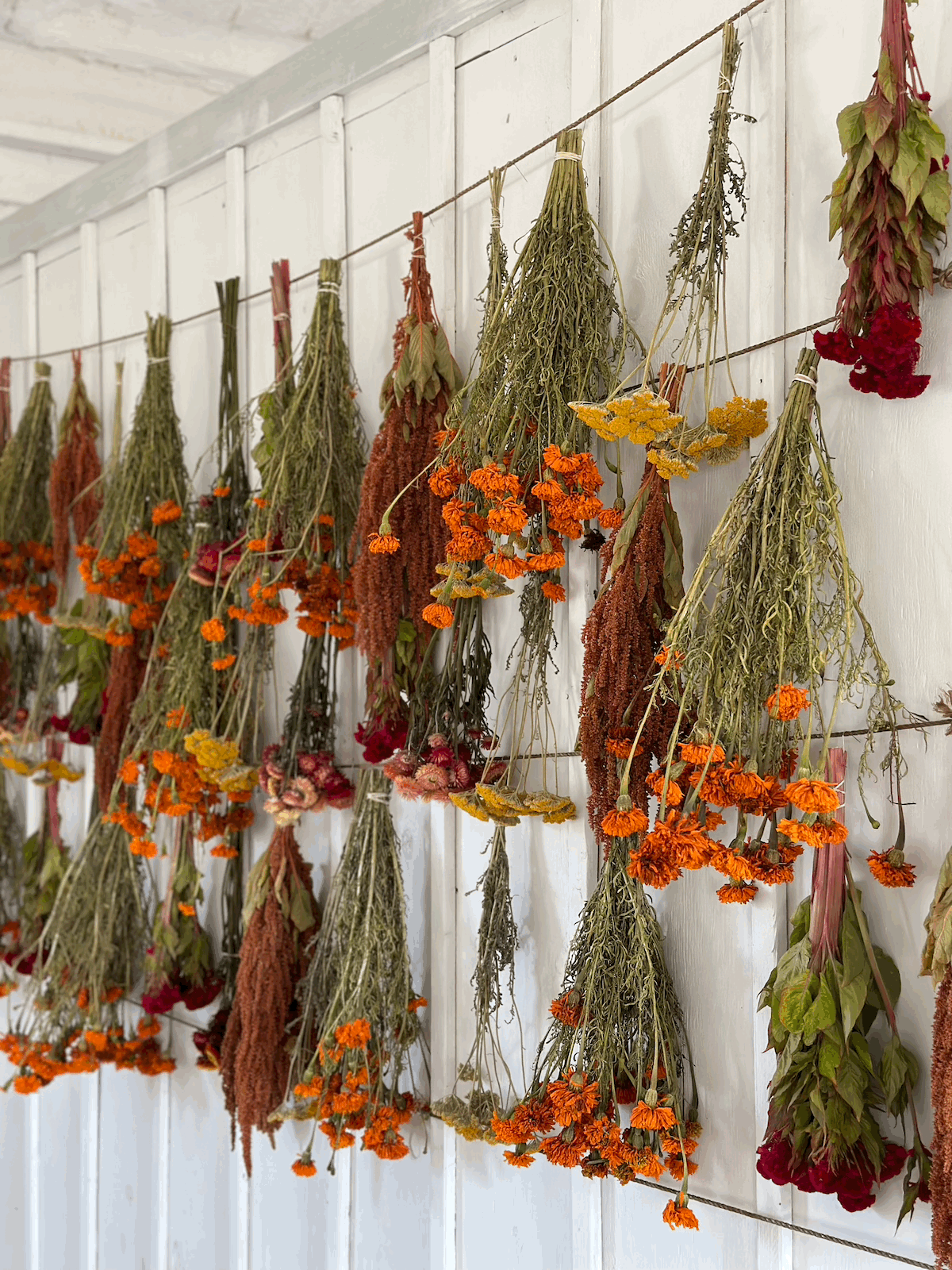
Gomphrena, often referred to as "Globe Amaranth" or "Bachelor's Button," is a charming and long-lasting dried flower. These petite, spherical blooms come in a range of vibrant colors, including shades of pink, purple, white, and red. Gomphrena is celebrated for its resilience and ability to maintain its shape and color when dried, making it an excellent choice for crafting wreaths, garlands, and everlasting floral arrangements. We used these beauties to create a gorgeous dried flower wall, shown below.

Statice
Statice flowers come in a range of colors and are known for their longevity. They make for excellent dried flowers because they retain their vibrant hues and add a pop of color to your home decor.
Sunflowers
Sunflowers bring warmth and a touch of rustic charm to your interior. Their sunny disposition remains intact even after they are dried, making them a delightful addition to your home.

Marigolds
Marigolds are beloved for their cheerful, sunny disposition and their ability to thrive in various climates. While they are most commonly associated with gardens and landscapes, these vibrant flowers can also be beautifully preserved as dried blooms. Drying marigolds allows you to capture their intense shades of orange and yellow, ensuring they maintain their striking appearance throughout the year.
Strawflower
Strawflowers, with their paper-thin petals and vivid, everlasting colors, are a delightful choice for dried flower arrangements. These flowers come in an array of hues, including shades of pink, white, yellow, and red. One of the unique features of strawflowers is their ability to retain their vibrant color and shape when dried, making them a sought-after addition to wreaths, bouquets, and crafts.
Strawflowers are often used in floral arrangements to add texture and a pop of color. Their petals are sturdy and papery, giving them a timeless quality that can be enjoyed for years. Incorporating strawflowers into your decor brings a touch of whimsy and a burst of color, making them an excellent choice for both traditional and contemporary interior styles.
Goldenrod
Goldenrod, with its bright yellow plumes of tiny flowers, is a symbol of abundance and positivity. While often found in gardens and meadows, goldenrod can also be preserved as dried flowers to add a touch of sunshine to your home. These feathery blossoms can be dried and used in various ways, from floral arrangements to wreaths.
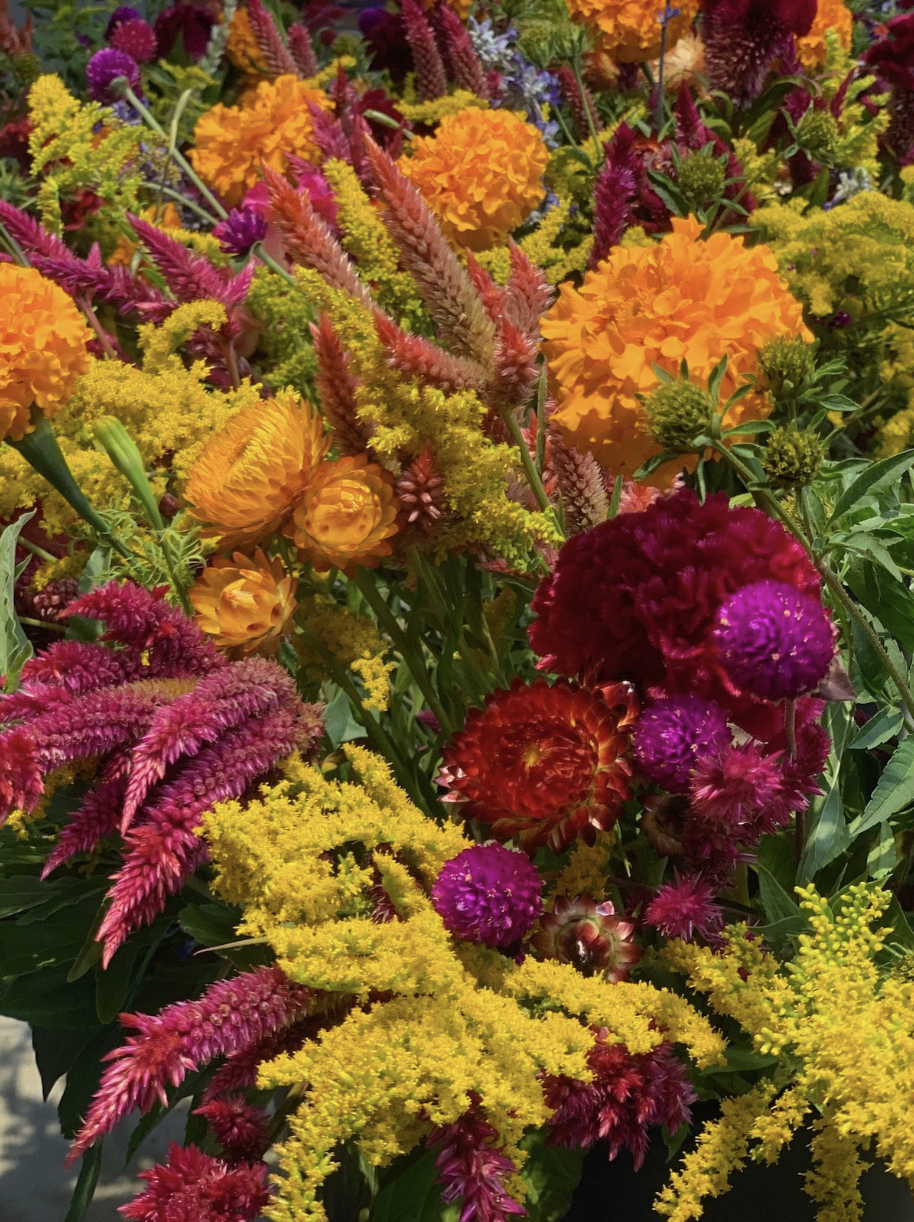
The cheerful color of goldenrod is perfect for creating a welcoming and cheerful atmosphere in any room. Whether displayed on its own or combined with other dried flowers, goldenrod infuses your decor with the warmth and optimism of a sunny day. Its resilience and timeless appeal make it a fantastic choice for adding a touch of nature's beauty to your living spaces, year-round.
Larkspur
Larkspur offers tall, dramatic spikes of color that add a touch of drama to any dried flower arrangement. They come in a range of shades, making it easy to find the perfect match for your decor.
From the calming scent of lavender to the vibrant, colorful charm of larkspur, these ten best dried flowers offer a wide range of options to suit any style and preference. Whether displayed in bouquets, wreaths, or shadow boxes, dried flowers are a wonderful addition to any living space, bringing a sense of natural beauty that lasts indefinitely.
XX Jenn and Adam

Using Flowers to Create Botanical Based Dyes
Explore the enchanting world of flower-based dyes. Discover the magic of marigolds, lavender, coreopsis, cosmos, dahlias, and indigo leaves, each offering a unique color palette for your creations. From selecting the right flowers to unveiling the vibrant hues after the dyeing process, immerse yourself in the art of botanical dyeing and embrace the charm of nature's diverse colors on your fabrics.
The Charms of Botanical Dyeing
Botanical dyeing takes us back to simpler times, using the colors nature provides. It's like a plant-based paint palette that can turn ordinary tea towels into works of art. By using flowers, we can create a rainbow of shades that are both unique and eco-friendly.
Picking the Right Flowers
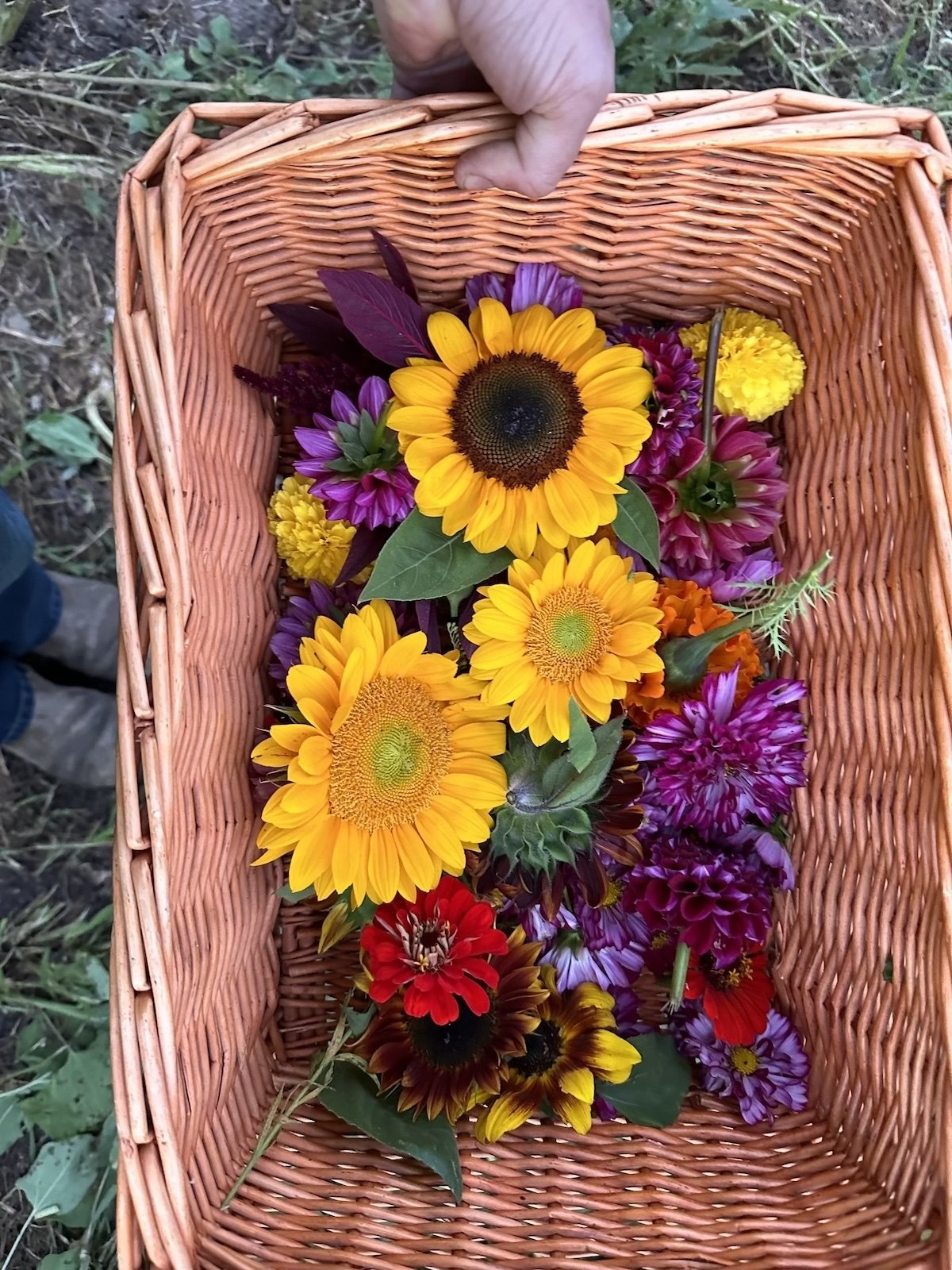
One of the exciting parts of botanical dyeing is selecting the flowers to work with. Different flowers yield different colors, offering a playful twist to the process.
Marigold: These sunny blooms create warm yellows and oranges, reminiscent of a golden sunrise.
Lavender: If calming pastels are your preference, lavender flowers are perfect for gentle purples and grays.
Coreopsis: With their vibrant petals, coreopsis flowers bring about shades of cheerful yellows and deep oranges.
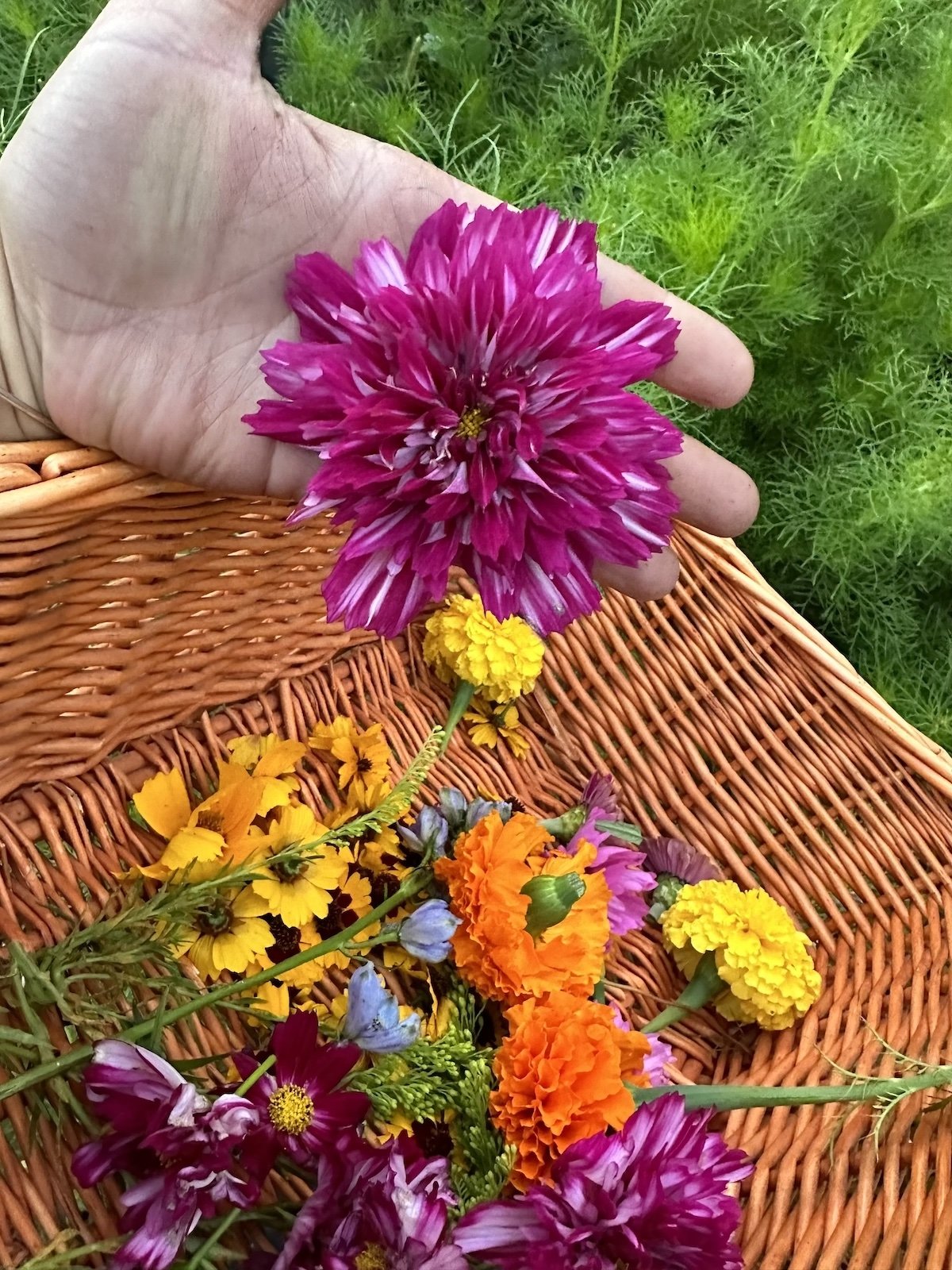
Cosmos: Bright Lights or Sulphur cosmos as the best for dyeing, but we’ve found that we love the colors created by some of the darker cosmos. They make a lovely purple or blue color.
Dahlias: Provide a variation of shades, but the darker colors make the prettiest colors.
Indigo: For rich blues, indigo leaves hold the secret, providing a touch of deep ocean hues.

The Color Journey
Before diving into the dyeing process, the fabric needs a bit of prep. This involves cleaning and treating them to make sure they absorb the colors well. Once fabric has been prepped, you leave it damp, but not wet and add your flowers for dyeing. We use the bundle dyeing process for making our prints, which involved scattering flowers on the fabric, rolling the fabric up, then using a steam process to release the dye from the flowers.
After the fabrics have steamed for an hour, remove and open the fabric. The colors from the dye process are immediately visible. Gently remove all flowers from the fabric, then give your fabric a little rinse and hang to dry.


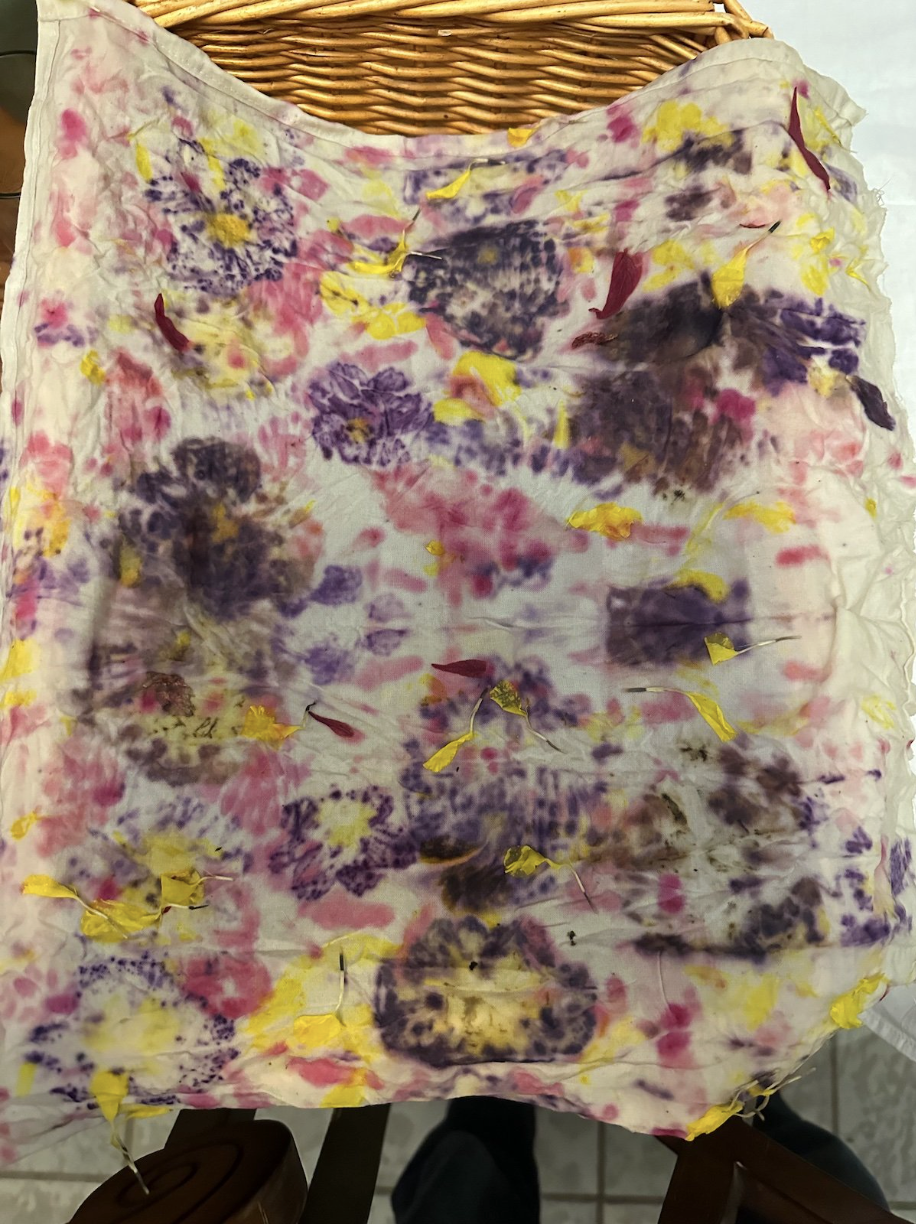

Botanical dyeing isn't just about changing colors; it's about connecting with nature and embracing its diversity. Each fabric created with botanical dye carries a piece of the flower farm's charm, telling a story of petals, leaves, and the colors they gift us. So, next time you use one of these tea towels, remember the journey it has taken – from the flower farm to your kitchen, with a touch of nature's magic in between.
XX Jenn and Adam

Creating a Gorgeous Raised Bed Garden
Explore the simplicity and beauty of raised bed gardens with our guide. Perfect for any gardener, these beds offer controlled environments and easy maintenance. Learn the benefits, design tips, and step-by-step instructions to create your flourishing garden. Elevate your outdoor space with joy and ease. Happy growing!
If you're looking to add a touch of beauty and functionality to your outdoor space, raised beds could be the perfect solution. Whether you're limited on space or just starting out on your flower-growing journey, raised beds offer a fantastic way to cultivate a thriving garden right at your doorstep. At PepperHarrow, we've embraced raised beds as a key part of our dahlia breeding efforts, and as an integral space for relaxing and entertaining. Today, we're going to guide you through the process of creating your very own raised bed garden.
Why Raised Beds? Raised beds offer a range of benefits and hey, let’s not overlook their beauty, making them an excellent choice for both beginners and seasoned gardeners. They're particularly useful when your soil isn't ideal for flower growth, providing you with a controlled and enriched growing environment. Additionally, these beds are easier to maintain compared to open-field plantings. Weeding and tending to your plants become less of a chore, and watering is more convenient since raised beds are often closer to water sources. Keep in mind that raised beds require more frequent watering than plants in the ground.

Designing Your Garden
Before you roll up your sleeves to get to work, take the time to draw out and design your raised bed garden. Sketch out a plan on paper to plan out a space that works for you, allocating enough space between each bed to allow for 3-foot-wide paths. Staking out the corners of your garden area with wood and tying strings between the stakes can help you frame the space accurately and ensure its level.
Here are the Materials Required for the Beds We Created for our Eight 4-by-8-foot raised beds in a 30-by-40-foot area, gather the following materials for each raised bed:
(3) 2-x-12-x-8 treated lumber
(1) 4-x-4-x-4-inch treated lumber
(4) 6-x-6-inch steel corner braces
Additional Supplies:
200 feet of 6-foot or wider landscape fabric for weed barrier
100 Landscape pins to secure the fabric
160 3-inch exterior screws
48 2-cubic-foot bags of wood chips
160 1-cubic-foot bags of topsoil
500 pounds of chipped limestone road stone
Drip irrigation or overhead watering apparatus
Optional decorative arches for growing vines
Seeds of your choice!

Step-by-Step Guide for Building a Raised Garden:
Step One: Preparing the Ground
Draw your raised bed plan on paper, considering the layout and spacing.
Stake each corner of your designated area using wood and tie strings between the stakes to outline your space and ensure it's level.
Lay down landscape fabric as a weed barrier.
Step Two: Creating the Base
Spread gravel evenly across the entire area using a landscaping rake.
Prepare the lumber, using 8-foot boards for the sides and cutting an 8-foot board in half to form two 4-foot ends.
Step Three: Assembling the Bed
Use your drill and screws to secure the lumber at the corners, utilizing the 4-x-4-inch lumber as braces.
Step Four: Adding Growing Medium
Lay six bags of wood chips in the bottom half of each raised bed, smoothing them out with the landscaping rake.
Finish by adding 20 bags of topsoil to fill the beds to the top. Keep in mind that the soil will settle over time, so you may need to add more before planting.

Sparkle Details =Dream Space
The last step is to add pieces that make your raised bed garden sparkle. Items like arches for growing vines, bistro lights, table and chairs are great things to add to really make the space inviting. All of this you can use for hosting guests, or for your own personal enjoyment.
By following these steps and using the materials mentioned above, you'll be well on your way to creating a beautiful and functional raised bed garden, just like the ones at our flower farm! As you tend to your flowers and watch them thrive, you'll appreciate the benefits of raised beds, from improved growing conditions to easier maintenance.
Whether you're an aspiring gardener, dahlia breeder or simply passionate about cultivating a beautiful flower garden, raised beds provide an excellent foundation for your gardening endeavors.
Happy growing!
XX Jenn and Adam